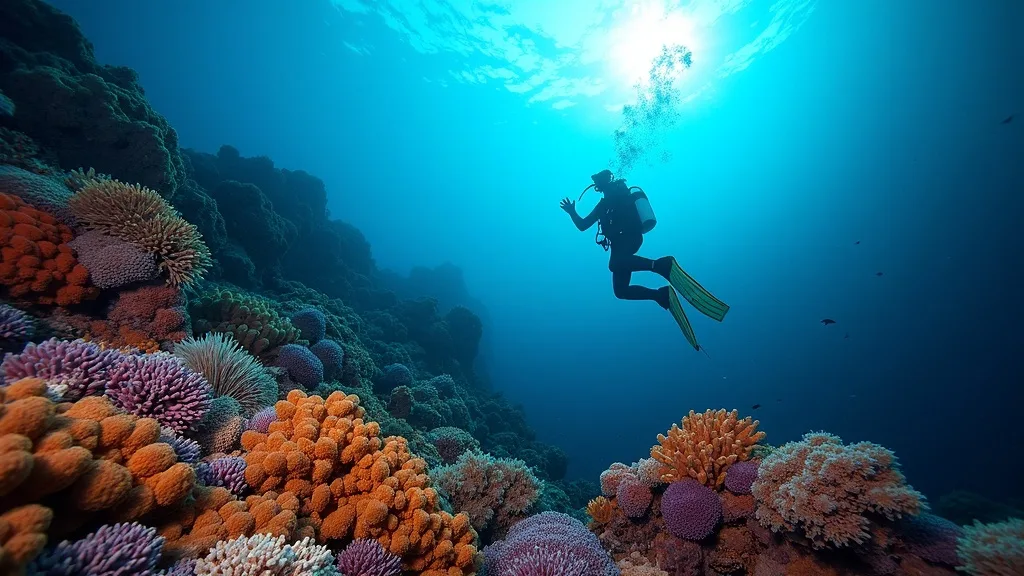
The best time for a Raja Ampat diving trip generally falls between October and April, offering calmer seas and optimal visibility. These months provide excellent conditions for exploring the diverse marine life and vibrant coral reefs, with specific seasonal packages available to cater to varied preferences for your 2027 dive holiday.
Best Time for Raja Ampat Diving Trip: Seasonal Packages Explored
Planning your Raja Ampat diving trip requires careful consideration of the seasons to maximise your underwater experience. While diving is possible year-round, certain periods offer distinct advantages, from calmer waters to specific marine encounters. Our seasonal packages are designed to align with these optimal windows, ensuring an exceptional adventure in 2027.
October to April: The Peak Season for Raja Ampat
The period from October to April is widely considered the prime time for a Raja Ampat diving trip. During these months, the region experiences its dry season, characterised by:
- Calmer Waters: Reduced wind and swell make for more comfortable boat journeys, especially for liveaboards travelling between islands like those on a Raja Ampat Misool diving trip. This is particularly beneficial for divers prone to seasickness.
- Exceptional Visibility: Less rainfall means less run-off, contributing to clearer water and better visibility, often exceeding 20-30 metres. This clarity enhances photographic opportunities and general viewing pleasure.
- Comfortable Surface Intervals: Sunny skies and pleasant temperatures make relaxing on deck or exploring islands between dives more enjoyable.
Our Raja Ampat dive season packages for this period often include extended liveaboard itineraries, allowing ample time to explore remote areas and increase chances of encountering larger pelagics.
Raja Ampat Diving Trip in October: A Transition Month
October marks the beginning of the peak season, offering a fantastic balance. The waters are typically calming after the monsoon, and marine life is abundant as the ecosystem transitions. A Raja Ampat diving trip in October often sees fewer crowds compared to the peak of December and January, providing a more serene experience. Our 2027 October itineraries focus on comprehensive coverage of key dive sites before the busiest periods commence.
Raja Ampat Diving Trip in January and February: High Season Highlights
January and February are firmly within the peak season and are highly sought-after months. A Raja Ampat diving trip in January and February typically offers the most stable weather conditions and excellent visibility. This is a prime time for those specifically interested in Raja Ampat manta ray macro diving expeditions 2027, as manta aggregations are often at their highest. Due to popularity, booking well in advance is essential for these months, especially for liveaboards, to secure your preferred dates and cabins.
May to September: The Quieter Season
While often referred to as the ‘off-season’ due to increased winds and rainfall, May to September still offers rewarding diving, particularly for those seeking solitude and potentially lower prices. The north of Raja Ampat, including areas around Waigeo and Gam, is generally more sheltered during these months. Visibility can be slightly reduced, but marine life remains prolific. Some operators adjust itineraries to focus on more protected sites. This period can be ideal for budget-conscious travellers or those with flexible schedules looking for “affordable Raja Ampat homestay dive trip February 2027” alternatives, though May to September typically sees higher rainfall.
Tailoring Your 2027 Raja Ampat Dive Experience
Understanding these seasonal nuances allows us to craft specific “Raja Ampat dive season packages” that align with your priorities:
| Month Range | Key Characteristics | Ideal For | 2027 Package Focus |
|---|---|---|---|
| October – April | Calm seas, high visibility, minimal rain. Peak manta season. | First-time visitors, photographers, pelagic enthusiasts. | “best Raja Ampat liveaboard 2027 for manta rays”, “Raja Ampat 11-night liveaboard 2027 with nitrox included” |
| May – September | Higher winds/rain, fewer tourists, potentially lower prices. | Budget travellers, repeat visitors, those seeking solitude. | “small group Raja Ampat diving Kri Island May 2027”, “eco-friendly Raja Ampat dive tour 2027 conservation focus” |
For example, if you are searching for “Raja Ampat diving with pygmy seahorses 2027 guide”, these encounters are possible year-round, but clearer waters in peak season enhance photographic opportunities. Similarly, “Raja Ampat diving trip for beginners 2027 with instructor” will find more stable conditions and a wider choice of operators during October-April.
2027 Note: As we look towards 2027, early booking is highly recommended for all peak season travel, especially for “luxury Raja Ampat liveaboard 2027 under $7000” or “Raja Ampat liveaboard January 2027 availability” queries. The demand for specific “Raja Ampat 7-day liveaboard 2027 twin share cabin” options, particularly those including “Raja Ampat dive trip with marine park fee included 2027”, continues to rise. Consider “Raja Ampat diving trip March 2027 calm winds price” for excellent value just outside the busiest period.
FAQ
What is the best time of year for a Raja Ampat diving trip to experience optimal conditions?
The best time of year for a Raja Ampat diving trip to experience optimal conditions is generally between October and April. This period offers calmer seas, excellent visibility, and minimal rainfall, making it ideal for exploring the region’s rich marine biodiversity.
Are there specific seasonal packages available for a Raja Ampat diving trip?
Yes, we offer various Raja Ampat dive season packages tailored to different times of the year and diver preferences. These include peak season liveaboard options for optimal conditions and quieter season packages that might focus on specific, more sheltered northern sites, or offer different pricing structures.
Is it possible to dive in Raja Ampat outside the peak season?
Yes, diving in Raja Ampat is possible year-round. While the May to September period, often referred to as the ‘off-season’, can experience higher winds and rainfall, the diving remains rewarding, especially in the more sheltered northern areas. It can also be a good time to find fewer crowds.