Planning a Labuan Bajo liveaboard in 2027 requires understanding updated regulations and booking requirements. This guide details crucial information regarding permits, seasonal timing, pricing, and essential preparations to ensure a compliant and enjoyable diving experience within Komodo National Park.
Understanding Komodo National Park Regulations for 2027
Komodo National Park, a UNESCO World Heritage Site, implements strict regulations to preserve its unique biodiversity. For 2027, visitors embarking on a liveaboard must be aware of several key requirements. These include mandatory park entry fees, specific diving permits, and adherence to conservation guidelines designed to protect marine life and terrestrial ecosystems, particularly the Komodo dragons.
All visitors are required to pay an entrance fee to Komodo National Park. This fee typically covers access to the park for the duration of a liveaboard trip. Additionally, a separate diving permit is often necessary for those participating in diving activities. These fees contribute directly to the park’s conservation efforts, including ranger patrols, waste management, and scientific research. It is crucial to confirm the exact fees with your chosen liveaboard operator, as they can fluctuate and are usually collected by the operator on behalf of the park authorities.
Environmental regulations prohibit the touching of coral reefs and marine animals, the collection of souvenirs from the park, and the use of single-use plastics. Liveaboard operators are generally well-versed in these rules and will provide detailed briefings. Compliance is not optional; penalties for violations can be severe, ranging from fines to expulsion from the park.
Booking Your Labuan Bajo Liveaboard: 2027 Seasonal Timing
Selecting the correct timing for your phinisi liveaboard labuan bajo significantly impacts your experience. For 2027, the optimal period for a Labuan Bajo liveaboard remains May to September, considered the high season, offering stable weather and exceptional visibility. April and October present attractive shoulder season alternatives.
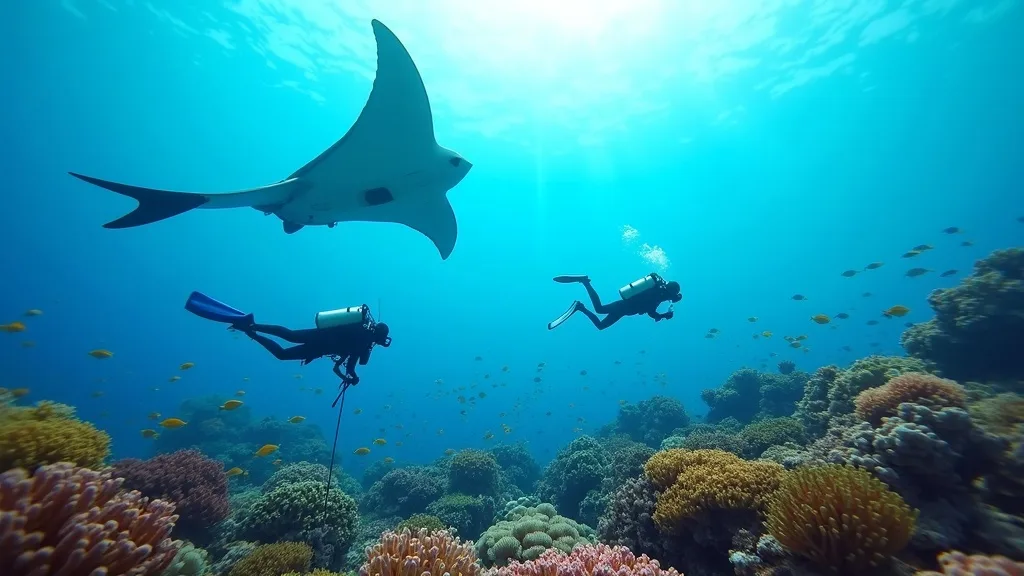
High Season (May – September): This period guarantees stable weather and excellent underwater visibility, typically ranging from 20m to 30m. Surface conditions are generally calm, which is ideal for comfortable cruising and diving. Frequent Manta Ray sightings are common, particularly in the central routes of the park, making it a prime time for underwater photography. Due to high demand, prices are at their peak, and booking 6–9 months in advance is essential to secure your preferred liveaboard. While July and August can experience stronger winds, the resident manta population remains active, though they may dive deeper into cooler waters (20°C–24°C).
Shoulder Season (April, October): These months offer a balance of good conditions and more favourable pricing, with potential discounts of 15–25%. Sea conditions remain good, and visibility often exceeds 20m. This period is particularly suitable for photographers prioritising water clarity without the absolute peak season crowds. Booking 3–4 months in advance is advisable.
Low Season (January – March): This is the wet season, characterised by warmer water (28–30°C) but reduced visibility (10–20m). However, it is the peak time for Manta Ray encounters in the park’s southern region, especially in January and February. Prices are lowest during this period, but some trips may be limited due to weather. Divers should be prepared for potentially strong and unpredictable currents, often requiring negative entries.
2027 Liveaboard Pricing Tiers and Features
Understanding the various pricing tiers helps manage expectations and budget for your 2027 Labuan Bajo liveaboard. The market offers a range from budget-friendly options to ultra-luxury experiences, each with distinct features and service levels.
| Tier | Price Per Night | Total Trip (4D3N) | Best Timing | Key Features |
|---|---|---|---|---|
| Budget | USD 150 – 250 | USD 600 – 1,000 | Apr–Jun, Sep–Nov | Shared cabins, basic bathrooms, functional diving |
| Mid-Range | USD 220 – 550 | USD 1,000 – 1,600 | May – Sep | Private cabins, good visibility, frequent Manta sightings |
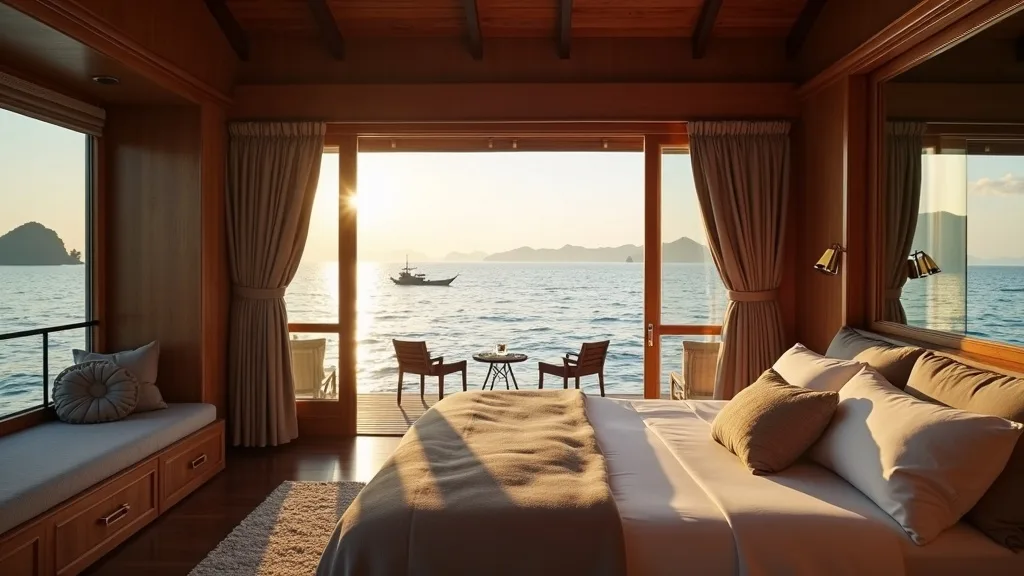
| Luxury | USD 400 – 600+ | USD 1,500 – 3,500+ | May – Sep | Private suites, gourmet dining, low diver-to-guide ratio |
| Ultra-Luxury | USD 900+ | USD 7,300+ (11N) | Dec (Manta Peak) | Suites like on Dive Damai I, exclusive itineraries |
Budget Liveaboards (USD 150–250 per night): These typically offer shared cabins and basic facilities, focusing on providing access to the diving sites at the lowest possible cost. They are suitable for divers prioritising functionality over luxury, especially during the shoulder season.
Mid-Range Liveaboards (USD 220–550 per night): These provide private cabins and improved amenities. They are a popular choice for those seeking a balance between comfort and cost, particularly during the high season when Manta sightings are frequent and visibility is excellent.
Luxury Liveaboards (USD 400–600+ per night): Expect private suites, gourmet dining, and a lower diver-to-guide ratio, enhancing the diving experience. These are best enjoyed during the high season for optimal conditions.
Ultra-Luxury Liveaboards (USD 900+ per night): These offer an exclusive experience with expansive suites, bespoke services, and often longer, more unique itineraries, such as the 11-night trips on vessels like Dive Damai I. December, during the Manta peak, is often recommended for these high-end expeditions.
Health and Safety Protocols for 2027
Liveaboard operators in Labuan Bajo adhere to specific health and safety protocols to ensure the well-being of all guests. For 2027, these include standard first aid provisions, emergency oxygen on board, and trained staff for diving-related incidents. It is mandatory for divers to hold appropriate diving certifications (e.g., PADI Open Water or equivalent) and to present their logbooks. Many operators also require a medical statement confirming fitness to dive. Travel insurance, specifically covering diving accidents and medical evacuations, is strongly recommended.
Onboard safety briefings are standard, covering emergency procedures, fire safety, and general vessel rules. While some liveaboards offer nitrox, divers wishing to use it must have a valid nitrox certification. Staying hydrated, particularly in the tropical climate, and being aware of sun exposure are also important health considerations.
Environmental Contributions and Responsible Tourism
Participating in a Labuan Bajo liveaboard in 2027 extends beyond personal enjoyment; it involves a commitment to responsible tourism. A portion of the park fees collected contributes to conservation efforts. Many liveaboard operators also engage in their own environmental initiatives, such as reef clean-ups, educational programmes, and supporting local communities. Guests are encouraged to minimise their environmental footprint by adhering to waste management guidelines on board, conserving water, and supporting local businesses where possible. Choosing operators with strong environmental policies helps ensure the long-term sustainability of Komodo National Park’s unique ecosystem.
2027 Note: The Indonesian government has indicated a continued focus on sustainable tourism development within Komodo National Park. While no major structural changes to permit systems are anticipated for 2027 beyond standard inflationary adjustments, visitors should always verify the latest fee structures and regulations directly with their chosen liveaboard operator or the official Komodo National Park authority websites closer to their travel date for the most accurate information.
FAQ
What are the mandatory documents required for a Labuan Bajo liveaboard in 2027?
For a Labuan Bajo liveaboard in 2027, you will typically need a valid passport, proof of your diving certification (e.g., PADI, SSI), a dive logbook, and often a medical statement confirming your fitness to dive. Travel insurance, particularly covering diving activities and medical emergencies, is also highly recommended.
When is the best time to visit Labuan Bajo for diving in 2027?
The best time for diving in Labuan Bajo in 2027 is during the high season, from May to September, offering stable weather and excellent visibility (20-30m). The shoulder seasons of April and October also provide good conditions with fewer crowds and potentially better pricing.
Are there any specific environmental regulations I need to be aware of in Komodo National Park?
Yes, Komodo National Park has strict environmental regulations. These include prohibitions against touching marine life or corals, collecting souvenirs from the park, and using single-use plastics. All waste must be properly disposed of, and liveaboard guests are expected to adhere to guidelines provided by their operator to protect the park’s ecosystem.