Understanding the Best Time for Diving in Raja Ampat
Planning a raja ampat diving trip requires careful consideration of seasonal conditions to maximize your underwater experience. Raja Ampat, located in West Papua, Indonesia, is recognized as the global epicenter of marine biodiversity. Scientific surveys confirm the region hosts over 1,800 species of fish and approximately 75% of the world’s hard coral species, as documented by Conservation International in 2006. Understanding the optimal timing ensures calmer seas, better visibility, and higher chances of encountering specific marine life. This guide outlines the best periods for diving in this unique archipelago.
The Peak Diving Season: October to April
The period from October through April is widely considered the prime window for a raja ampat diving trip. During these months, the prevailing winds are minimal, resulting in exceptionally calm seas and superior underwater visibility. Divers can expect water temperatures consistently ranging from 28°C to 30°C (82°F to 86°F), providing comfortable conditions for extended dives. Visibility frequently exceeds 20 meters (65 feet), often reaching 30 meters (100 feet) or more at sites like Blue Magic or Manta Sandy.
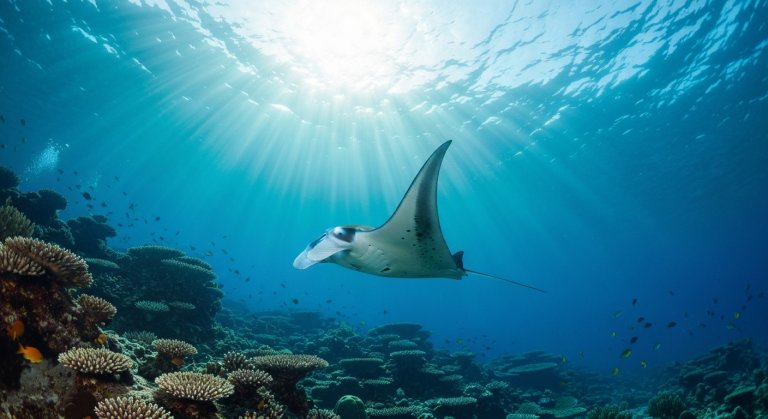
This season aligns with the highest probability of encountering large pelagics, particularly manta rays. November to March is especially notable as the best month for “raja ampat manta ray dive” experiences, with numerous individuals congregating at cleaning stations. Liveaboard operators schedule their most comprehensive itineraries during these months, focusing on both the northern islands like Wayag and the biodiverse southern reaches of Misool. Prices for mid-market liveaboards typically range from $3,500 to $6,500 for a 7-night trip, reflecting the high demand and optimal conditions.
Navigating the Shoulder and “Off-Season”: May to September
While October to April is peak, the months of May and September represent shoulder seasons, offering a balance of good conditions and fewer crowds. During this time, weather patterns are transitioning, which can lead to slightly choppier seas on occasion, but visibility often remains excellent. Diving operations continue normally, and some resorts or liveaboards may offer reduced rates, potentially saving divers 10-15% on standard packages.
The period from June to August is traditionally considered the “off-season” due to stronger winds and higher chances of rain. However, this designation is relative; Raja Ampat remains diveable year-round. Divers seeking solitude or specific photographic opportunities might prefer these months. Sites around Misool, being more sheltered, often maintain good conditions even when northern areas experience stronger swells. For those concerned about “raja ampat currents are strong,” it is important to note that currents are a constant feature of Raja Ampat’s dynamic ecosystem, regardless of the season, and experienced guides manage dive plans accordingly. This period can also present unique marine encounters not typical of the peak months, such as different migratory species.
Marine Life Encounters by Month and Region
Raja Ampat’s marine life is diverse, with certain species more prevalent during specific times. The “raja ampat manta ray dive best month” period, from November to March, offers consistent sightings of reef and oceanic mantas. Popular sites like Manta Sandy in the Dampier Strait can see 15-20 individuals feeding or being cleaned simultaneously. Wobbegong sharks, iconic to the region, are present year-round, often found camouflaged under coral ledges.
Macro enthusiasts will find pygmy seahorses, nudibranchs, and various crustaceans throughout the year, especially among the gorgonian fans and soft corals. The southern Misool area, known for its vibrant soft corals and dense fish populations, is exceptional regardless of the month, though southern itineraries are more common during calmer periods to ensure comfortable travel between sites. The sheer density of fish schools, including barracuda, jacks, and fusiliers, remains a constant spectacle across the archipelago, from Cape Kri to Fam Islands.
For more detailed information on specific species and their habitats, the Indonesian Ministry of Tourism and Creative Economy provides resources on marine conservation efforts in the region: kemenparekraf.go.id.
Logistics and Comfort: What Season Means for Your Trip
The choice of season significantly impacts the practical aspects of your raja ampat diving trip. During peak season (October-April), demand for liveaboards and popular resorts is high, necessitating bookings 6-12 months in advance. Domestic flights into Sorong (SOQ), the primary gateway, operate with an average of 10-15 daily flights, connecting through major Indonesian hubs like Jakarta or Makassar. Ferry transfers from Sorong to Waisai (Waigeo) take approximately 2 hours.
Calmer seas during peak season make inter-island transfers smoother and more comfortable, particularly for liveaboard guests covering extensive routes. Conversely, the “off-season” (June-August) might involve choppier rides, which can be a factor for divers prone to seasickness. For those comparing “raja ampat liveaboard vs resort diving,” liveaboards offer unparalleled access to remote sites regardless of the season but are more susceptible to weather impacts on comfort. Resorts provide a stable base, with daily dive boats operating in local conditions. Travelers can explore various options, including shorter 5-day resort stays or longer 7-day liveaboard itineraries, on our Packages page.
Planning Your Raja Ampat Diving Trip: Key Considerations
Effective planning for your raja ampat diving trip involves more than just selecting a month; it encompasses budget, skill level, and desired experiences. The question of “how much does a raja ampat diving trip cost” varies significantly. Entry-level resort stays for 2-4 dive days might range from $1,800 to $3,500 total, while luxury liveaboards can exceed $12,000 for longer, premium itineraries. Most foreign tourists fall into the mid-market range of $3,500-$6,500 for a 5-7 night trip.
Regarding “raja ampat advanced open water required,” while Open Water certification allows diving, Advanced Open Water is highly recommended for at least 80% of Raja Ampat’s premier dive sites due to currents and deeper profiles. Divers should be comfortable with drift dives. Mandatory marine park entrance fees for foreign visitors typically cost IDR 1,000,000 (approximately $65-70 USD), valid for one year. Consider also additional costs for nitrox, gear rental, and crew tips. For more insights into preparing for currents, refer to resources like Wikipedia’s Scuba Diving Safety guidelines.
Top 7 Considerations for Your Raja Ampat Dive Trip
- **Optimal Season:** Target October to April for best conditions and manta ray sightings.
- **Budget Allocation:** Factor in trip costs ranging from $1,800 to $12,000+, including flights and park fees.
- **Certification Level:** Ensure Advanced Open Water (AOW) or equivalent for full site access and safety.
- **Logistics:** Plan domestic flights to Sorong (SOQ) and transfers to your chosen liveaboard or resort well in advance.
- **Marine Life Focus:** Research specific species you wish to encounter and align your travel dates accordingly.
- **Comfort Preferences:** Decide between a liveaboard for maximum dive site access or a resort for land-based comfort.
- **Trip Insurance:** Secure comprehensive travel and dive insurance covering medical emergencies and trip cancellations.
The Raja Ampat archipelago, recognized by UNESCO for its exceptional universal value, presents a unique diving experience no matter the season. The primary goal is to align your expectations with the seasonal realities. While the peak season offers consistently calm conditions and abundant pelagic encounters, the shoulder and off-seasons provide opportunities for fewer crowds and potentially more competitive pricing. Each period presents distinct advantages for divers seeking to explore the world’s most biodiverse marine environment. Thorough planning ensures a rewarding and memorable expedition to this extraordinary destination.
To begin planning your specific raja ampat diving trip and discuss seasonal options tailored to your preferences, please contact our team directly. We offer various packages and can advise on the best itinerary for your budget and desired experience. Visit our Contact Us page for more information.