Liveaboard vs. Resort: Which is Best for Diving in Raja Ampat?
Planning a raja ampat diving trip presents a fundamental choice: a liveaboard vessel or a land-based resort. This decision significantly impacts the diving experience, logistical arrangements, and overall cost in the world’s most biodiverse marine region. For 2026, market data indicates that questions comparing these options, such as “raja ampat liveaboard vs resort diving,” generate an estimated 100–250 monthly searches, reflecting genuine diver interest in understanding the distinctions. Raja Ampat, situated off the northwest tip of New Guinea, encompasses over 1,500 small islands, cays, and shoals, making access a critical factor for any dive plan. The region’s marine biodiversity has been recognized globally; a 2002 Conservation International survey identified 1,511 fish species and 603 coral species, confirming its status as a marine hotspot.
Access and Logistics: Reaching the Dive Sites
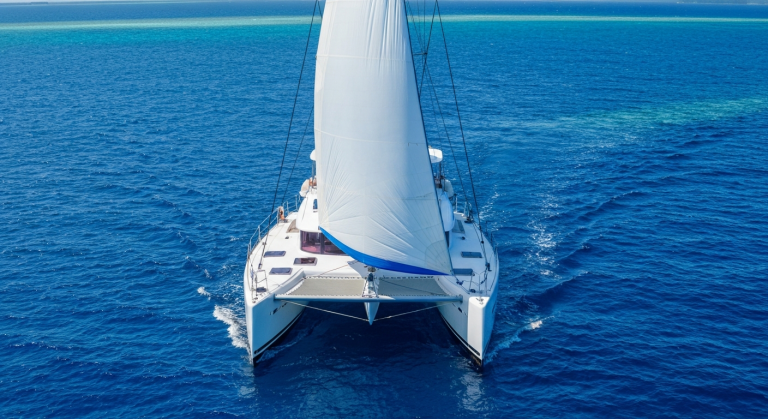
Logistical simplicity plays a significant role in booking decisions for Raja Ampat. Liveaboards generally streamline the entire process, handling transfers from Sorong’s Dominie Eduard Osok Airport (SOQ) directly to the vessel. This often includes coordination with domestic flights from major hubs like Jakarta or Makassar, which is a key decision factor for international travelers, including those searching for “raja ampat diving trip from bali.” Guests typically arrive in Sorong, are met by boat staff, and transported directly to the waiting liveaboard, which then sets sail. Most 7-night liveaboard itineraries commence and conclude in Sorong, minimizing independent travel within the region.
Resort stays, conversely, require guests to manage their own transfers from Sorong to the specific island resort. This usually involves a combination of land transport in Sorong and a scheduled ferry or private speed boat, which can add several hours to travel time. For example, reaching resorts in the northern islands like Arborek or Kri might involve a 2-hour ferry ride followed by a shorter resort transfer. Guests should factor in these additional transfer costs and times, which for a mid-market diver could range from $100-$300 USD return depending on the resort’s location and transfer type. Understanding these connections is vital for a smooth raja ampat diving trip.
Diving Experience and Itinerary Flexibility
The core difference between liveaboards and resorts lies in their approach to dive site access and daily itineraries. Liveaboards offer unparalleled flexibility, moving between dive sites and even distinct regions like Misool and Wayag within a single trip. A typical 7-day liveaboard may offer 20-22 dives, visiting iconic sites such as Manta Sandy, Blue Magic, and Cape Kri, often considered among the “best raja ampat dive sites.” This mobility allows divers to experience a wider range of ecosystems and increases the chances of encountering specific marine life, such as manta rays, which are prevalent from October to May.
Resorts operate from a fixed location, meaning daily dives are concentrated around their immediate vicinity. While many resorts are strategically placed near excellent dive sites, such as Cape Kri with its record-breaking fish diversity, reaching more distant locations like Misool requires significant travel time by day boat, or may not be offered at all. Resort diving generally involves 2-3 dives per day, with return to the resort for surface intervals and meals. This structure suits divers who prefer a more predictable schedule and the option for land-based activities between dives, or for “raja ampat snorkel and dive trip” combinations where non-divers can enjoy the island.
Comfort, Amenities, and Onboard vs. On-Land Life
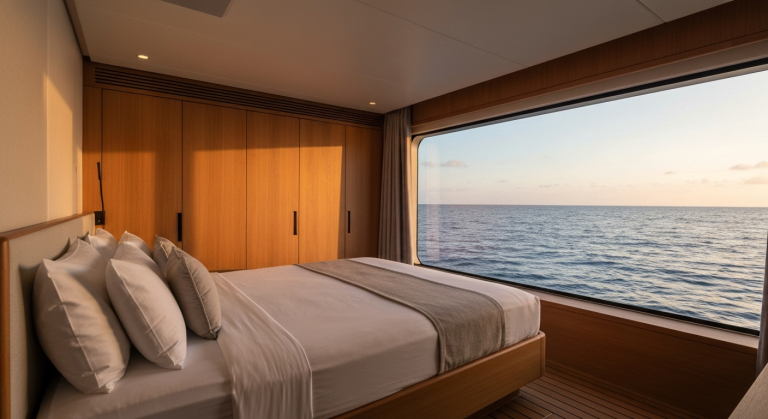
Comfort levels and available amenities vary significantly between liveaboards and resorts, directly influencing the overall experience of a raja ampat diving trip. Liveaboards prioritize functionality and proximity to dive sites, offering cabins ranging from budget-friendly dorms to luxury suites with private bathrooms. Space is generally compact, with communal areas for dining and relaxation. Higher-end luxury liveaboards, priced from $7,000–$12,000+ for a 7-night trip, often feature larger cabins, dedicated camera rooms, and personalized service. The focus remains squarely on diving, with limited land-based excursions.
Resorts provide a more traditional vacation experience, featuring private bungalows or villas, often with beachfront access and more expansive living spaces. Amenities can include restaurants, bars, spas, and organized land tours to local villages or viewpoints. This appeals to “mixed diver/non-diver couples,” where one partner may prefer relaxing on land. While some resorts are rustic and eco-focused, others offer luxurious amenities comparable to international standards. The choice between constant proximity to the water on a liveaboard versus the stability and amenities of a land base is a key consideration for many travelers to Raja Ampat.
Budget and Value: What to Expect for Your Trip
Understanding the financial commitment is crucial for any “how much does a raja ampat diving trip cost” inquiry. Liveaboards often appear more expensive upfront, but their pricing typically includes all meals, accommodation, diving, and sometimes even park fees and nitrox. For a mid-market diver, a 7-night standard liveaboard might range from $3,500–$6,500 USD. This comprehensive package often represents significant value, especially considering the number of dives (typically 3-4 per day) and the extensive travel between remote dive sites. Additional costs usually include flights, gear rental (approx. $30-50/day), tips (5-10% of trip cost), and alcoholic beverages. Detailed pricing information can be found on our site.
Resort pricing varies widely, with “raja ampat budget diving trip” options starting from $1,800–$3,500 total for a shorter stay (2-4 dive days), usually in more basic accommodations. These prices often include accommodation and some meals, but diving packages are typically an add-on. A 5-7 night stay at a better resort, including a 3-dive-per-day package, would align with the mid-market range of $3,500–$6,500. Guests must also account for transfer costs, day trip fees for distant sites, and potentially more frequent spending on drinks and additional activities. When comparing “raja ampat luxury liveaboard price” to premium resorts, both can exceed $7,000 for a longer stay, with resorts offering more extensive non-diving amenities.
Key Considerations for Choosing Your Raja Ampat Dive Trip
Selecting between a liveaboard and a resort requires evaluating personal preferences and diving goals. Here are critical factors to weigh:
- **Diving Frequency:** Liveaboards typically offer 3-4 dives daily; resorts usually offer 2-3.
- **Site Accessibility:** Liveaboards cover more ground, including remote Misool; resorts focus on local sites.
- **Diver Certification:** Many liveaboards prefer Advanced Open Water (AOW) or higher due to strong currents, a common “raja ampat currents are strong” concern. Some sites may require “raja ampat advanced open water required” for safety.
- **Group Composition:** Liveaboards are ideal for solo divers and small groups; resorts cater well to “mixed diver/non-diver couples.”
- **Land-Based Activities:** Resorts offer more opportunities for village visits, birdwatching, or relaxation.
- **Comfort vs. Mobility:** Liveaboards prioritize getting to the best sites; resorts offer more spacious, stable accommodations.
- **Seasonality:** For peak marine life like manta rays, especially during “raja ampat manta ray dive best month” (October-May), liveaboards offer greater flexibility to follow sightings.
- **Photography Focus:** Liveaboards often have dedicated camera facilities and can position for optimal light, appealing to “photo groups / clubs.”
Diver Profile and Group Compatibility
The ideal choice often aligns with a diver’s experience level, group composition, and non-diving preferences. Solo divers frequently opt for liveaboards, finding a built-in community and efficient diving schedule. Couples, the most common high-value bookers, choose both options based on their desire for solitude versus continuous diving. Small friend groups (2–6 people) appreciate the shared experience of a liveaboard or the flexibility of a resort’s bungalows. For more information about our operations, please visit our About page.
Mixed groups, including “raja ampat diving trip for non-divers,” often find resorts more suitable. While a diver explores the reefs, their non-diving companion can enjoy snorkeling, kayaking, or relaxing at the resort. Liveaboards are primarily diving-focused, with limited non-diving activities. Furthermore, the “skill/safety cluster” is important; liveaboards often venture to sites with stronger currents, making them more appropriate for experienced divers (e.g., 50+ dives). Resorts typically offer a range of sites, including more sheltered options suitable for less experienced divers or those needing a refresher. The UNESCO World Heritage Centre recognizes the exceptional universal value of Raja Ampat’s marine ecosystem, which underscores the importance of responsible diving practices regardless of the chosen trip type. Read more about Raja Ampat’s biodiversity on UNESCO’s site.
Seasonality and Marine Life Expectations
The “best time for raja ampat diving trip” is generally considered October to May, offering calmer seas and higher chances for specific marine life encounters. During these months, especially “raja ampat diving trip december january,” manta rays are frequently sighted at cleaning stations like Manta Sandy. Liveaboards excel here, as they can adjust itineraries to maximize opportunities for specific sightings, moving with animal migratory patterns or in response to real-time reports. This flexibility directly addresses “marine life expectations” for species like mantas, sharks, and pygmy seahorses.
Resorts, while fixed, still offer excellent diving within their local area during these peak months. For instance, a resort near Dampier Strait will consistently deliver encounters with schooling fish and healthy corals. However, reaching specific distant sites known for seasonal aggregations might be challenging. Understanding the “season cluster” and how it influences marine life is crucial. Travelers can consult official resources like Indonesia.Travel for general insights on Raja Ampat, but for specific dive timing, specialized operators provide the most current information. The choice impacts not only the range of sites but also the likelihood of encountering specific species, which is a primary motivation for many divers.
Choosing between a liveaboard and a resort for your raja ampat diving trip ultimately depends on your priorities: maximum dive time and site diversity or a blend of diving with land-based comfort and amenities. Consider your budget, desired level of logistical support, and whether you prefer constant immersion in the marine environment or a more balanced vacation. Both options provide access to Raja Ampat’s unparalleled underwater world. For personalized advice and to explore available packages, contact our specialists today.