Hello world!
Welcome to WordPress. This is your first post. Edit or delete it, then start writing!
Embarking on your raja ampat diving odyssey
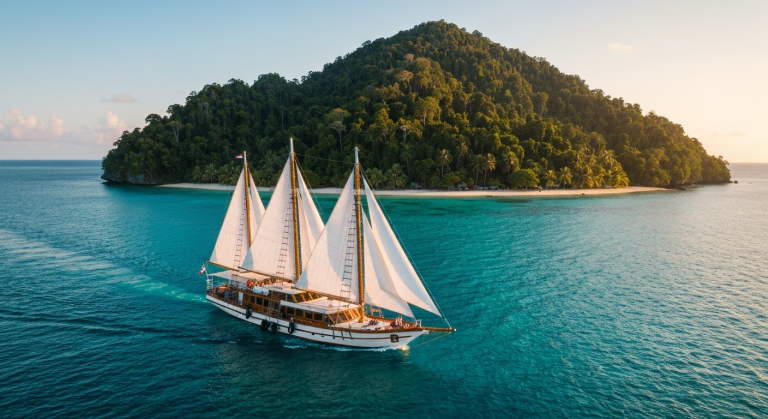
The moment your liveaboard cuts through the glassy turquoise waters, revealing a labyrinth of emerald karst islands, you understand why Raja Ampat, Indonesia, is not merely a destination, but a pilgrimage for the discerning diver. This remote archipelago, nestled in the heart of the Coral Triangle, represents the zenith of marine biodiversity, a living tapestry woven with more vibrant hues and intricate life forms than almost anywhere else on Earth. For those accustomed to the pinnacle of luxury travel, a Raja Ampat diving trip transcends a simple vacation; it becomes an immersive expedition into an untouched realm, where every dive promises a revelation and every sunset paints a masterpiece.
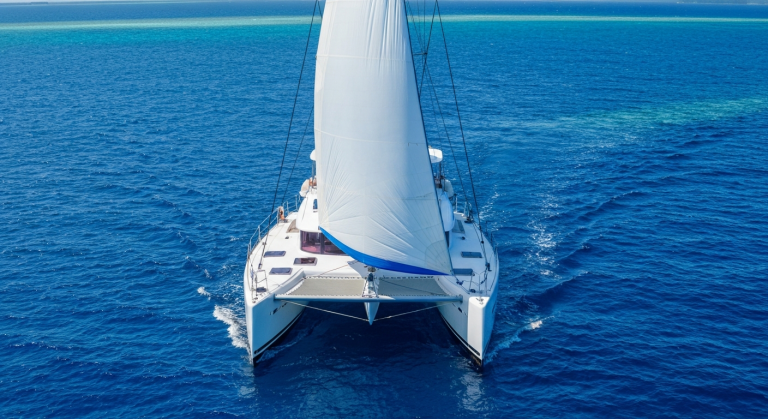
Accessing this pristine paradise is part of its allure, a journey that peels back the layers of the everyday to reveal something truly extraordinary. Flights typically involve a layover in Jakarta (CGK) or Makassar (UPG) before connecting to Sorong (SOQ) in West Papua. From Sorong, the true adventure begins as you embark on a luxurious liveaboard, often a traditional Indonesian phinisi yacht meticulously refitted with modern comforts, gourmet kitchens, and state-of-the-art dive facilities. These floating five-star hotels are the preferred mode of exploration, allowing unparalleled access to the most remote dive sites, from the iconic Misool region in the south to the dramatic limestone formations of Wayag in the north. Imagine waking up to a different panorama each day, the scent of fresh ocean air filling your cabin, and the promise of an aquatic spectacle just moments away.
The sheer scale of life here is staggering; Raja Ampat is home to over 1,500 fish species and 500 coral species, representing approximately 75% of the world’s known coral varieties. This biological richness is protected within a vast marine park that covers over 4.6 million hectares, an area roughly the size of the Netherlands. The name itself, “Raja Ampat,” translates to “Four Kings,” referring to the four main islands of Waigeo, Batanta, Salawati, and Misool, each guarding its own unique underwater treasures. The experience is curated for those who seek not just beauty, but profundity; it is an encounter with the planet’s most vibrant ecosystems, experienced from a vantage point of unparalleled comfort and expert guidance.
Unveiling the underwater marvels of the four kings
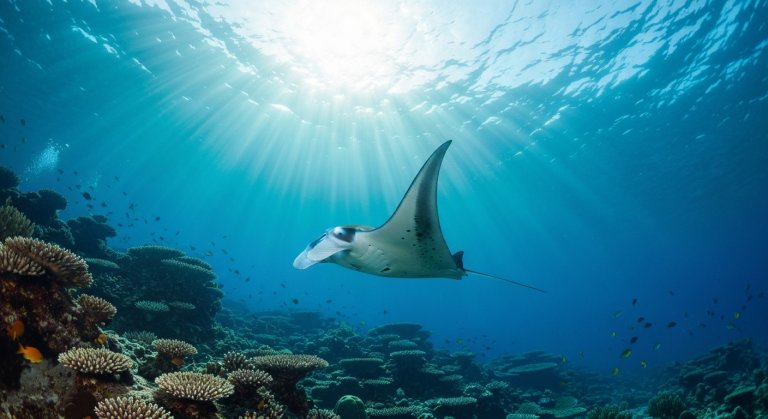
Descending beneath the surface in Raja Ampat is akin to entering a living kaleidoscope, where every current brings new wonders into view. The water temperatures hover consistently around 28-30°C (82-86°F), offering comfortable diving year-round, though the calmest seas and best visibility are typically from October to April. Dive sites like Misool’s Magic Mountain or Boo Windows are legendary, teeming with schooling barracuda, trevally, and vibrant fusiliers swirling around colossal soft coral gardens. Here, the sheer density of marine life is breathtaking; you might spot several species of pygmy seahorses meticulously camouflaged on gorgonian fans, while majestic manta rays gracefully glide overhead at cleaning stations like Manta Ridge in the Dampier Strait. The intricate interplay of currents and nutrient-rich waters creates an environment where both macro and megafauna thrive in spectacular abundance.
Beyond the iconic manta rays, Raja Ampat offers encounters with a diverse array of marine creatures unique to the region. Keep an eye out for the elusive wobbegong shark, perfectly camouflaged on the seabed, or the fascinating "walking shark" (Hemiscyllium halmahera), a species of epaulette shark that uses its fins to "walk" across the reef. The Fam Islands boast some of the most stunning hard coral gardens, while the nutrient-rich waters of the Dampier Strait are renowned for pelagic action and dramatic drift dives. Each dive site presents a distinct personality, from the mushroom-shaped islands of Wayag that offer spectacular surface intervals and panoramic viewpoints to the vibrant jetties of Arborek, where local children play above a thriving reef brimming with fish. It’s a testament to the region’s robust health and the success of its conservation efforts, which are often supported by tourism.
The commitment to preserving this underwater Eden is deeply ingrained in the Raja Ampat experience. The local communities, in partnership with conservation organizations, play a vital role in protecting these delicate ecosystems. Many luxury liveaboards and resorts actively contribute to these initiatives, ensuring that your visit aids in the long-term sustainability of the area. This responsible approach to tourism enhances the intrinsic value of your trip, allowing you to not only witness unparalleled natural beauty but also to participate in its preservation. The sheer clarity of the water, the vibrant health of the corals, and the abundance of marine life serve as a powerful reminder of nature’s resilience when given the chance to flourish, making every Raja Ampat diving trip a profound journey of discovery and appreciation. For more information on Indonesia’s marine conservation efforts, you can explore resources at indonesia.travel.
Beyond the depths: luxury and cultural immersion
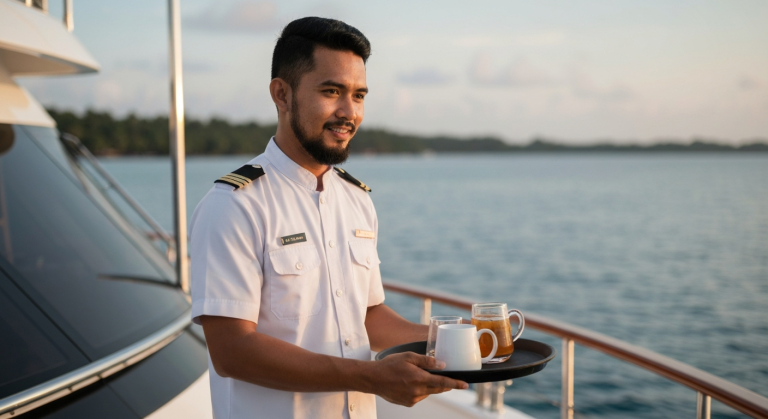
While the underwater world is Raja Ampat’s undeniable star, the luxury experience extends far beyond the depths. Onboard a high-end liveaboard, every detail is meticulously crafted for comfort and indulgence. Expect spacious cabins with en-suite bathrooms, often with private balconies, alongside expansive common areas for dining and relaxation. Gourmet chefs prepare exquisite meals, blending Indonesian flavors with international cuisine, often featuring freshly caught seafood. Dedicated dive guides, intimately familiar with every reef and current, ensure not only safety but also an optimized viewing experience, pointing out hidden gems and offering insights into marine behavior. Post-dive, indulge in a massage on deck, sip cocktails as the sun dips below the horizon, or simply revel in the quietude of this remote paradise, far from the distractions of the modern world.
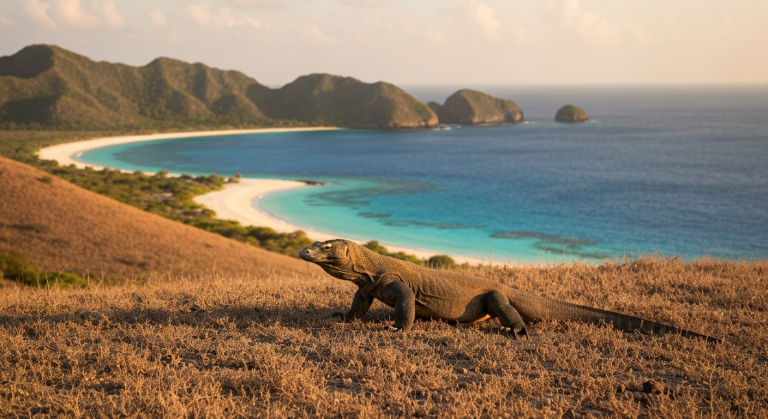
For those preferring a land-based luxury retreat, a select few eco-resorts offer unparalleled access to Raja Ampat’s wonders without compromising on comfort. These resorts, often built with sustainable materials and deeply integrated into their natural surroundings, provide private bungalows, exquisite dining, and direct access to world-class diving and snorkeling. Beyond diving, the topside activities are equally captivating. Explore the dramatic limestone karsts by kayak or stand-up paddleboard, weaving through hidden lagoons and pristine mangroves. Hike to breathtaking viewpoints, such as the iconic panorama of Wayag, where hundreds of mushroom-shaped islands dot the turquoise sea, an image synonymous with Raja Ampat’s untouched beauty. Birdwatching enthusiasts can also seek out endemic species like the striking red bird-of-paradise, adding another layer of natural wonder to the experience.
A Raja Ampat diving trip also offers profound opportunities for cultural immersion. Many itineraries include visits to local villages, providing a glimpse into the traditional lifestyles of the indigenous communities. This interaction, facilitated respectfully by your guides, fosters a deeper understanding of the region’s heritage and the people who call it home. Experiencing the warmth of their hospitality and witnessing their deep connection to the ocean adds a rich, human dimension to your luxury adventure. As you plan your journey, remember that Raja Ampat is more than a diving destination; it is an expedition into one of the planet’s last true wildernesses, a place where luxury meets raw nature, and every moment is designed to inspire awe and foster a deeper connection with the natural world. To appreciate the broader context of this unparalleled biodiversity, consider learning more about the Coral Triangle on Wikipedia, the region of which Raja Ampat is the vibrant heart.
Hi, this is a comment.
To get started with moderating, editing, and deleting comments, please visit the Comments screen in the dashboard.
Commenter avatars come from Gravatar.