Manta Point, Manta Sandy And Manta Ridge Explained
Understanding Manta Point, Manta Sandy, and Manta Ridge
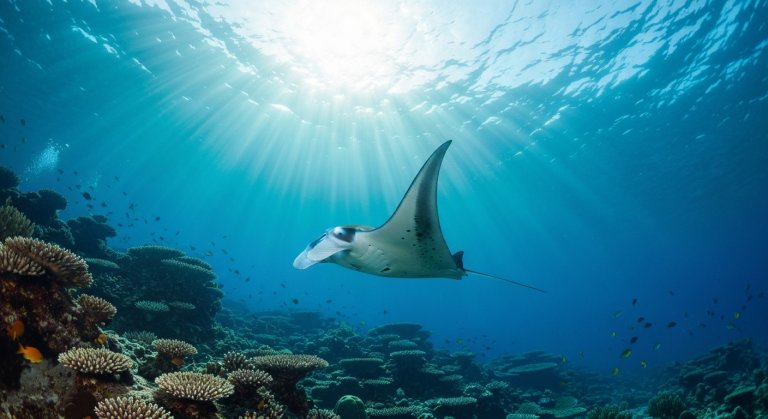
Manta Point, Manta Sandy, and Manta Ridge are three prime dive sites in Raja Ampat, Indonesia, renowned for their breathtaking manta ray encounters. These locations serve as cleaning stations where mantas come for grooming, making them prime spots for divers and snorkelers looking to witness these majestic creatures up close.
Raja Ampat Manta Point Dive Site Guide
Manta Point is arguably the most famous site for manta ray sightings in Raja Ampat. Located near the island of Batanta, this site features unique underwater topography that attracts mantas. The dive typically takes place at depths ranging from 12 to 28 meters (40 to 92 feet), depending on the current conditions and your diving expertise.
During a typical dive, expect to be mesmerized by the shallow reef filled with colorful corals and tropical fish. The mantas glide gracefully through the water as they approach the cleaning stations. Visibility can range from 15 to 30 meters (49 to 98 feet), providing ample opportunity to capture both photos and lasting memories.
In 2026, a guided dive trip to Manta Point costs around $100 to $150 USD per person, which usually includes equipment rental and meals. However, it’s wise to check with local dive shops for up-to-date pricing and availability.
Manta Sandy: What to Expect
Manta Sandy is another exceptional dive site located a short boat ride from Manta Point. Known for its vibrant underwater landscape, this area offers divers a chance to encounter mantas in a more relaxed setting. Here, the depth ranges from 5 to 25 meters (16 to 82 feet), making it accessible for both beginner and experienced divers.
When diving at Manta Sandy, you can expect to see mantas performing their elegant dance as they glide in and out of the cleaning stations. The best time for sightings is generally from October to March, coinciding with the warmer water temperatures and increased mantas in the area.
Snorkeling with mantas at Manta Sandy is also a popular activity, especially for families or those who prefer not to dive. The calm waters and abundant marine life make it an ideal spot for beginner snorkelers. Guided snorkeling tours typically cost between $50 to $100 USD per person, including equipment.
Best Time to See Mantas in Raja Ampat
The best time to see mantas in Raja Ampat is during the warmer months, particularly from October to March. During these months, water temperatures range from 27 to 30 degrees Celsius (81 to 86 degrees Fahrenheit), which attracts more mantas to the cleaning stations. Additionally, the calm sea conditions make for excellent diving and snorkeling experiences.
It’s also important to note that manta sightings can significantly vary based on the moon phase, currents, and specific weather conditions. Generally, divers report higher manta sightings during the full moon, as these celestial events can influence the feeding patterns of mantas.
Manta Ridge: Current Conditions
Manta Ridge is often considered the less crowded cousin of Manta Point and Manta Sandy. This dive site is characterized by steep underwater ridges and channels where mantas are frequently sighted. The depth can vary between 10 to 30 meters (32 to 98 feet), with currents being more robust here. This makes it more suitable for experienced divers.
Before planning your dive at Manta Ridge, it’s crucial to check the current conditions. Strong currents can make diving challenging, and it’s advisable to consult your dive instructor or local dive shop for real-time updates. Diving trips to Manta Ridge can cost around $100 to $150 USD per person, and advanced booking is recommended to secure your spot.
Raja Ampat Cleaning Station Etiquette
Visiting cleaning stations requires respect and adherence to specific etiquette to ensure the safety of both divers and mantas. Here are some essential guidelines:
- No touching: Maintain a safe distance from the mantas and never touch them. This is vital for their well-being and ensures they do not feel threatened.
- Stay calm: When observing mantas, it’s crucial to remain calm and avoid sudden movements. This allows mantas to approach you if they choose to.
- Limit noise: Excessive noise can disturb the natural behavior of mantas. Speak softly and avoid splashing in the water.
- Stay in groups: Always dive in groups with an instructor, as this ensures safety and enhances the chances of encountering mantas.
- Follow dive guides: Your dive instructor will provide safety briefings and guidance on how to interact respectfully with mantas. Always follow their instructions.
Manta Ray Safety Tips in Raja Ampat
While mantas are generally gentle giants, it’s essential to prioritize safety when diving or snorkeling with them. Here are some safety tips to keep in mind:
- Know your limits: If you’re a beginner, consider joining a guided tour or opting for snorkeling rather than diving at challenging sites like Manta Ridge.
- Watch for currents: Be mindful of current conditions, as strong currents can pose risks for divers and snorkelers. Always consult with your dive leader before entering the water.
- Use appropriate gear: Ensure your diving or snorkeling equipment is well-maintained, especially your buoyancy control devices, to prevent accidents.
- Emergency procedures: Familiarize yourself with the emergency procedures specific to your dive trip, including how to signal distress to your dive instructor.
- Stay hydrated: The tropical climate can lead to dehydration. Always drink plenty of water before and after your diving or snorkeling activities.
Manta Sightings: Season and Expectations
Manta sightings in Raja Ampat are generally reliable from October to March. During these months, divers can expect to see multiple mantas at a time, especially at cleaning stations. However, sightings can occur year-round, albeit less frequently outside the peak season. In 2026, divers reported more than 60% of their trips during the season included at least one manta sighting, the area’s richness in marine biodiversity.
When comparing Raja Ampat mantas to those found in Komodo, it’s worth noting that Raja Ampat offers more consistent sightings due to its unique geography and cleaner waters. While Komodo is famous for its stunning dive sites, Raja Ampat’s mantas tend to be larger and more abundant, offering a different experience entirely.
Can Beginners Dive at Manta Point in Raja Ampat?
While Manta Point is a spectacular dive site, whether beginners should dive here depends on their comfort level and the day’s conditions. Generally, the dive depth and potential currents may be challenging for novice divers. It’s advisable for beginners to start at shallower sites where they can build skills and gain confidence.
However, many dive operators offer guided dives specifically tailored for beginners. They will assess current conditions and provide assistance, ensuring a safe and enjoyable experience. If you’re a beginner eager to see mantas, consider booking a guided tour that includes both diving and snorkeling options.
Frequently Asked Questions
1. What is the best time of year to see manta rays in Raja Ampat?
The best time to see manta rays is from October to March when water temperatures are warmer, and mantas are more abundant.
2. Are there any specific safety measures I should take while snorkeling with mantas?
Maintain a respectful distance, avoid touching the mantas, and follow your guide’s instructions to ensure a safe experience.
3. What are the differences between mantas in Raja Ampat and Komodo?
Raja Ampat tends to have larger and more frequent manta sightings due to its unique geography, while Komodo is renowned for its diverse marine life but has less consistent manta encounters.
Experience the wonder of swimming with mantas in Raja Ampat—book your trip today!