Planning Your First Raja Ampat Diving Trip: What to Know
Planning a Raja Ampat diving trip requires understanding its unique ecosystem and operational realities. This Indonesian archipelago, located off the northwest tip of West Papua, encompasses over 1,500 small islands, cays, and shoals. Raja Ampat is recognized by UNESCO as a World Heritage Site, boasting the highest marine biodiversity on Earth, with 75% of all known coral species and over 1,500 fish species documented. A typical trip in 2026 involves significant planning for transfers and accommodation, often ranging from 7 to 10 days for a comprehensive experience.
Understanding Raja Ampat’s Diving Seasons
The best time for a Raja Ampat diving trip generally falls between October and April, offering calmer seas and optimal visibility. During these months, surface conditions are typically more stable, which benefits both liveaboard operations and transfer logistics. The peak season, often encompassing December and January, sees consistent water temperatures around 28-30°C (82-86°F).
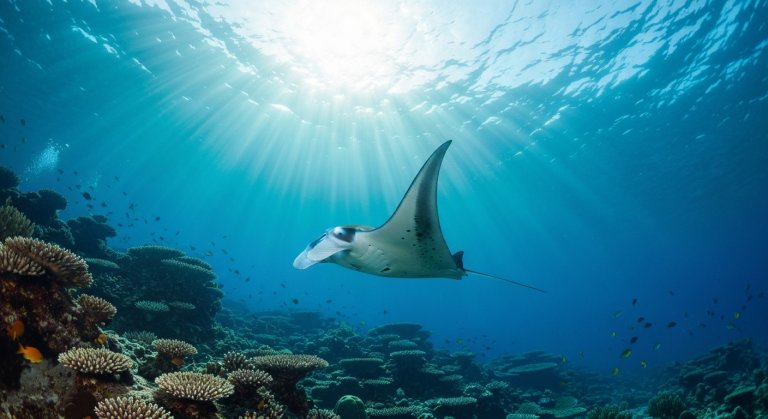
While diving is possible year-round, the “off-season” from June to September can bring stronger winds and choppier conditions, particularly in northern areas. For divers specifically seeking manta rays, the period from October to April, especially around Manta Sandy, offers the highest probability of sightings. This aligns with the “raja ampat manta ray dive best month” queries from many international visitors, particularly those from the United States and Australia.
Understanding these seasonal patterns is crucial for foreign tourists planning their 2026 travel itineraries, ensuring their expectations align with typical weather and marine life activity. Consult specific operator schedules, as some liveaboards may shift their itineraries based on micro-seasonal changes.
Liveaboard vs. Resort Diving: Choosing Your Experience
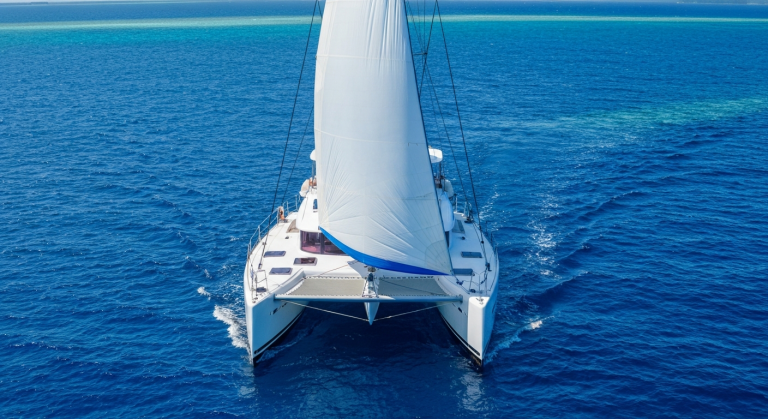
Deciding between a liveaboard and a resort is a primary consideration for any Raja Ampat diving trip. Liveaboards offer unparalleled access to remote dive sites across the entire archipelago, including the southern reaches of Misool, often covering 3-4 dives daily. A 7-day liveaboard itinerary allows divers to experience multiple distinct regions, often logging 20+ dives.
Resorts, conversely, provide a land-based experience, typically operating daily dive boats to sites within a specific region, such as around Waigeo or Batanta. These are often preferred by mixed groups, including “raja ampat diving trip for non-divers” or those interested in a “raja ampat snorkel and dive trip.” Resorts allow for more flexibility with non-diving activities and a stable base for relaxation.
A standard 7-night liveaboard for a mid-market diver might cost $3,500-$6,500, while a resort stay with similar dive days could range from $1,800-$3,500 for value travelers. Both options cater to different preferences for comfort, mobility, and daily routine. Solo divers frequently opt for liveaboards due to the built-in social environment.
Budgeting for Your Raja Ampat Expedition
The cost of a Raja Ampat diving trip varies significantly based on duration, accommodation, and desired luxury level. For an entry-level or value traveler, a resort-based trip with 2-4 dive days typically costs $1,800-$3,500 USD, excluding international flights. This budget often covers basic accommodation, transfers from Sorong, and dive packages.
Mid-market divers, often couples or small friend groups from Germany or the UK, can expect to spend $3,500-$6,500 USD for a 5-7 night stay. This budget allows for better resorts or standard liveaboards, potentially including nitrox and some gear rental. Luxury divers, particularly from the United States, planning a “raja ampat luxury liveaboard price” experience, should budget $7,000-$12,000+ USD. This premium segment includes high-end liveaboards, private transfers, longer itineraries, and often single occupancy supplements for solo travelers.
Beyond the base package, additional costs include the Raja Ampat Marine Park Fee (currently around 1,000,000 IDR or approx. $65 USD, subject to change), domestic flights within Indonesia (e.g., from Bali or Jakarta to Sorong), potential gear rental, and tips for crew. Understanding these components is vital for a comprehensive financial plan.
Navigating Raja Ampat’s Diving Conditions and Certifications
Raja Ampat is renowned for its vibrant reefs and strong, nutrient-rich currents, which contribute to its extraordinary biodiversity. For this reason, many operators recommend or require an Advanced Open Water (AOW) certification. While Open Water divers can participate in some dives, an AOW certification allows access to a wider array of sites, especially those with deeper profiles or more challenging conditions.
Divers should be comfortable with drift diving and competent in managing their buoyancy. The query “raja ampat currents are strong” accurately reflects a common concern among prospective visitors. Proper training in deploying a Surface Marker Buoy (SMB) is highly advisable, and many dive guides will provide briefings on current management. Typical dive depths range from 15 to 30 meters (50-100 feet), with average bottom times of 45-60 minutes, depending on air consumption and no-decompression limits.
Operators usually require a minimum number of logged dives (often 50+) for certain itineraries or specific dive sites. Always verify certification and experience requirements with your chosen operator before booking, especially if planning a “raja ampat advanced open water required” trip.
Logistics: Getting to Raja Ampat
Accessing Raja Ampat primarily involves flying into Sorong’s Domine Eduard Osok Airport (SOQ) in West Papua. International travelers, particularly from Australia, the UK, or France, typically fly into a major Indonesian hub like Jakarta (CGK) or Bali (DPS) first. From these hubs, domestic flights to Sorong are available daily, often requiring an overnight stay in Jakarta or Bali depending on connection times.
The question “raja ampat diving trip from bali” is common, and it involves a domestic flight of approximately 4-5 hours to Sorong. From Sorong, transfers to your liveaboard or resort are arranged, usually by private speedboat or ferry. Liveaboard departures are typically synchronized with specific flight arrivals in Sorong, so coordinating your flight schedule is critical.
Most reputable operators include the Sorong airport transfer in their package, streamlining the final leg of the journey. Travelers should confirm these details and any associated costs beforehand. This logistical simplicity is a significant decision factor for foreign bookers, as the remote location requires careful planning.
Key Considerations for Your First Raja Ampat Diving Trip
Planning involves more than just booking flights and accommodation. These points address critical aspects that often influence booking decisions for divers from the US, UK, and Europe:
- **Season Confidence:** Verify your travel dates align with desired conditions for calm seas and specific marine life like mantas, especially for “raja ampat diving trip december january.”
- **Diving Level Compatibility:** Ensure your certification (e.g., AOW) and experience match the trip’s demands, considering “raja ampat currents are strong.”
- **Logistics Simplicity:** Confirm all transfers from Sorong airport to your boat or resort are pre-arranged and included in your package.
- **Value Clarity:** Understand what’s included (e.g., park fees, nitrox, gear rental) and what’s excluded in the quoted price. Consult our Pricing guide for typical breakdowns.
- **Marine Life Expectations:** Research dive sites like Manta Sandy or Blue Magic to align with your interests in specific species or coral formations.
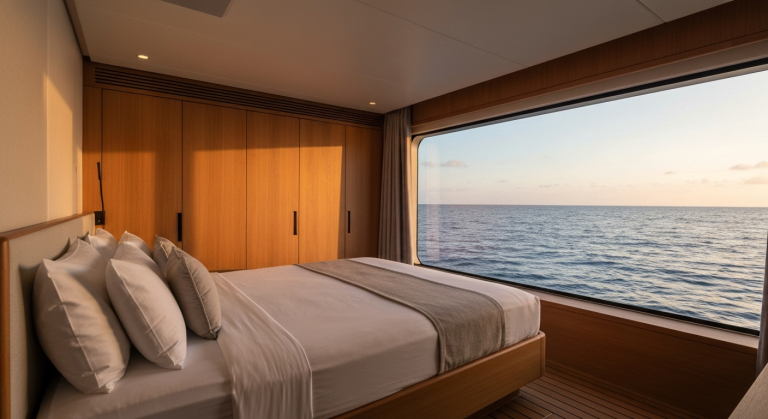
- **Boat/Resort Quality:** Read reviews on cabin comfort, safety protocols, guide-to-diver ratio, and food quality, as these impact the overall experience.
- **Photo Suitability:** If photography is a priority, inquire about visibility, specific dive sites known for macro or wide-angle opportunities, and dedicated camera facilities.
- **Health & Safety:** Ensure you have appropriate travel insurance covering diving incidents and check any required vaccinations for Indonesia.
- **Connectivity:** Be aware that internet and phone reception can be limited or non-existent in many remote areas of Raja Ampat.
Iconic Dive Sites and Marine Encounters
Raja Ampat boasts an extensive list of world-renowned dive sites, each offering unique experiences. Cape Kri, near Kri Island, holds a record for the highest number of fish species counted on a single dive, with 374 species recorded by marine biologists. Its strong currents bring in schooling barracuda, jacks, and various reef sharks, providing spectacular wide-angle photography opportunities.
Manta Sandy, a shallow site near Arborek Island, is a well-known cleaning station where divers can observe oceanic manta rays feeding and being cleaned. Blue Magic, another popular site, often features patrolling reef sharks, wobbegong sharks, and large schools of fusiliers. For those interested in macro life, sites around Batanta and Misool offer pygmy seahorses, nudibranchs, and various crustaceans.
The sheer density and diversity of marine life across sites like Wayag’s iconic karst islands, the soft coral gardens of Misool, or the vibrant reefs around Arborek Village, ensure a memorable experience for any diver. These sites consistently attract divers seeking specific encounters and photographic opportunities.
Planning a Raja Ampat diving trip requires careful consideration of logistics, budget, and personal diving preferences. By understanding the seasonal patterns, comparing liveaboard and resort options, and preparing for the unique diving conditions, you can ensure a well-organized and rewarding experience in this biodiverse region. For further details on specific packages and availability, please contact us directly.