Book Your Dream Raja Ampat Diving Trip Today
Raja Ampat, located in West Papua, Indonesia, represents a global pinnacle for marine biodiversity. This archipelago supports over 1,500 species of reef fish and 600 species of coral, accounting for 75% of all known coral species worldwide, according to a 2006 Conservation International survey. Planning a Raja Ampat diving trip for 2026 requires understanding its unique environmental conditions and logistical considerations. The region’s designation as a UNESCO World Heritage Tentative Site underscores its ecological importance. Divers seek Raja Ampat for its unparalleled species richness and pristine underwater landscapes, making it a priority destination for serious marine enthusiasts globally.
Planning Your Raja Ampat Diving Trip: Key Considerations for 2026
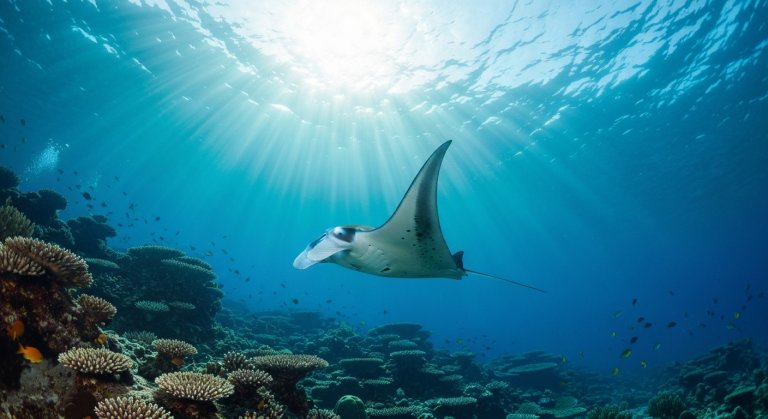
Successful planning for a Raja Ampat diving trip in 2026 involves assessing seasonality, budget, and logistical pathways. The optimal period for diving typically runs from October to April, offering calmer seas and higher visibility. During December and January, visitors often experience peak conditions for manta ray encounters in specific areas like Manta Sandy, an important consideration for marine life enthusiasts. Conversely, the “off-season” from June to October can still offer excellent diving, especially around Misool, though surface conditions may be choppier. Budgetary allocations vary significantly, with entry-level resort packages starting around $1,800–$3,500 USD for shorter stays, while luxury liveaboard options can exceed $7,000–$12,000 USD for extended itineraries. Understanding these financial tiers helps manage expectations and secure appropriate accommodations.
Logistical planning often begins with flights into Sorong (SOQ), the primary gateway city. Travelers frequently connect from major hubs like Jakarta or Bali, requiring careful coordination of domestic flights. The journey from Bali to Sorong involves at least one layover, typically in Makassar or Ambon, adding to travel time. Visitors should account for these transit days when constructing their overall trip duration. Specific transfer services from Sorong airport to liveaboard docks or resort jetties are essential for a smooth arrival. We provide comprehensive assistance with these regional connections.
Understanding Raja Ampat’s Dive Environments and Skill Requirements
Raja Ampat’s dive sites are renowned for their strong, nutrient-rich currents, which fuel the region’s extraordinary biodiversity. These currents necessitate specific dive skills and certifications. Divers are generally advised to hold an Advanced Open Water (AOW) certification to comfortably manage varied conditions and depths. Proper current diving techniques, including the use of reef hooks and signal marker buoys (SMBs), are critical for safety and enjoyment. We recommend a minimum of 50 logged dives for optimal experience, though some sites are accessible to less experienced divers with proper guidance.
Key dive sites like Cape Kri, near Arborek Island, hold world records for fish species count on a single dive, making it a highlight for many. Blue Magic is another notable site famous for pelagic encounters, including reef sharks and large schools of trevally. Misool’s southern islands offer pristine soft coral gardens and a high density of macro life, often requiring precise buoyancy control. Understanding these varied conditions helps divers prepare adequately for the challenges and rewards of a Raja Ampat diving trip. Our expert guides provide thorough briefings on each site’s specific characteristics, including expected current strength and marine life.
Liveaboard vs. Resort: Choosing Your Raja Ampat Diving Trip Style
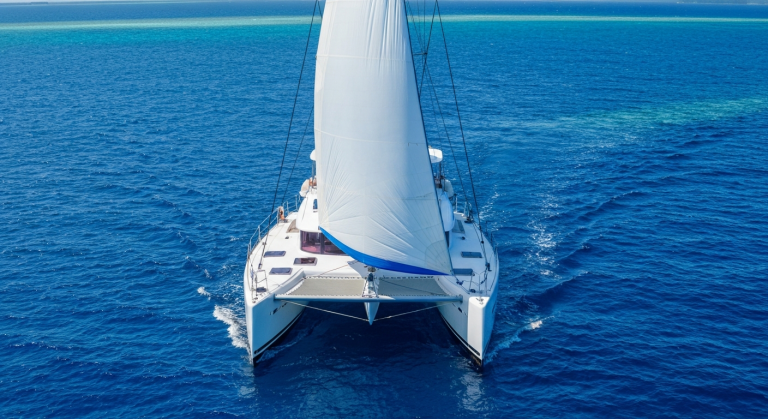
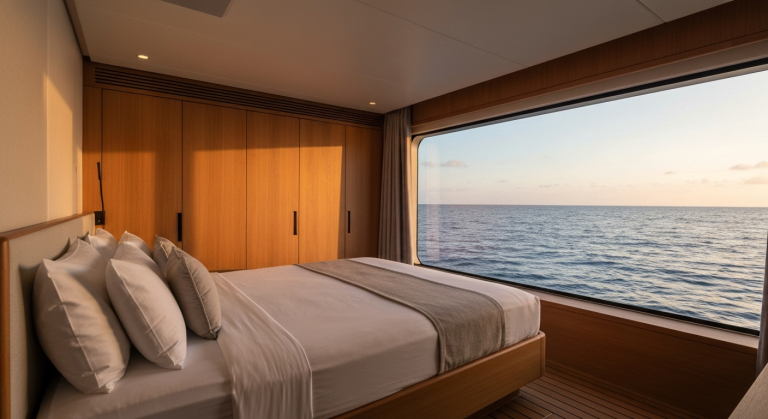
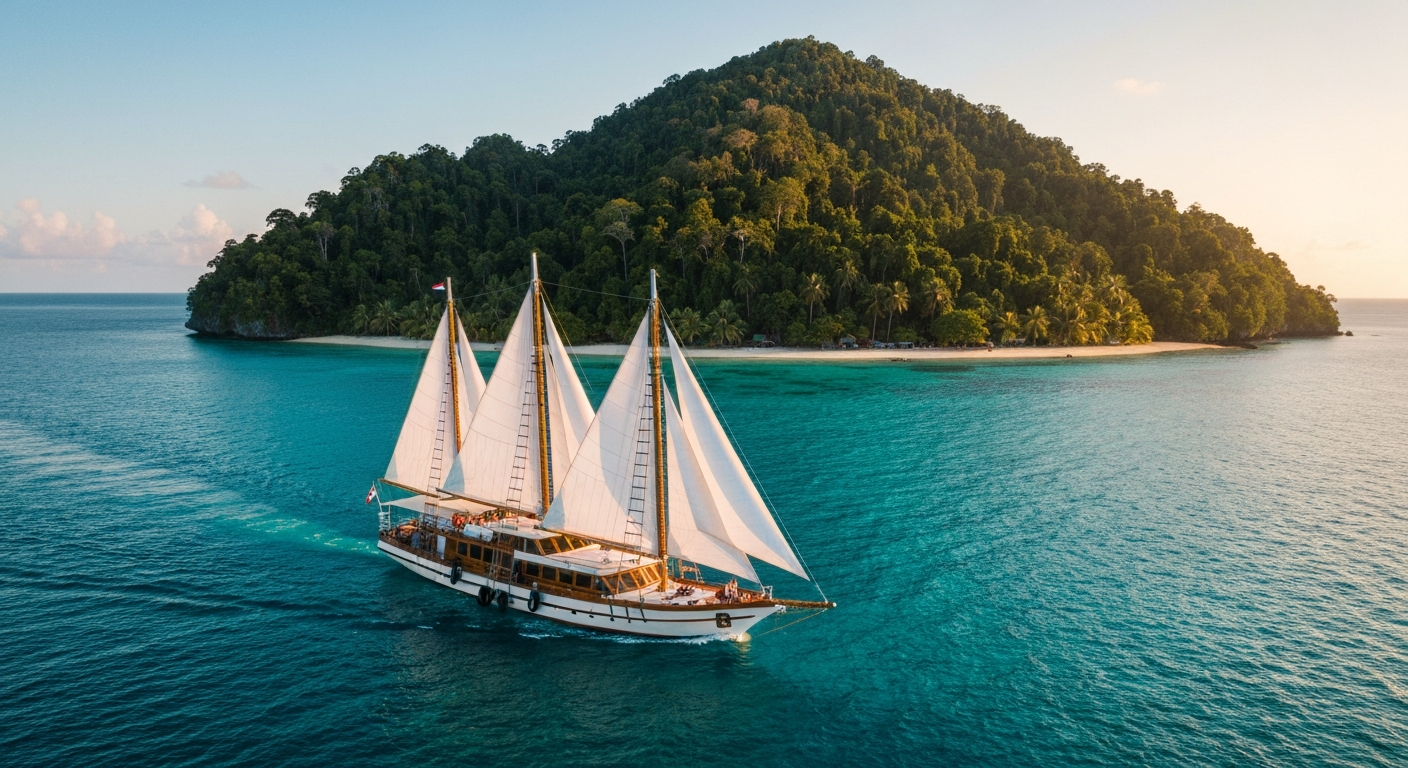
Deciding between a liveaboard and a land-based resort is a primary consideration for any Raja Ampat diving trip, influencing both the diving experience and social dynamics. Liveaboards offer unparalleled access to remote dive sites across the entire archipelago, including the far reaches of Misool and Wayag, maximizing daily dive opportunities—often three to four dives per day. This option is particularly popular among solo divers and small groups of friends seeking continuous underwater exploration. Premium liveaboards provide amenities such as private cabins, dedicated camera rooms, and personalized service, catering to luxury divers and photo groups.
Resorts, conversely, provide a stable base with more spacious accommodations and opportunities for land-based activities or cultural interaction with local communities on islands like Arborek. They are frequently chosen by couples, including those with mixed diver/non-diver interests, as resorts often offer excellent snorkeling directly from their jetties or beaches. Non-divers can enjoy kayaking, paddleboarding, or village visits while their partners dive. The choice between these two styles depends heavily on individual preferences for comfort, mobility, and the desired balance between diving intensity and relaxation. Our packages detail options for both liveaboard and resort stays.
Crafting Your Raja Ampat Itinerary: From 7 Days to Extended Stays
A typical Raja Ampat diving trip itinerary spans 7 to 10 days, allowing sufficient time to explore diverse regions such as the Dampier Strait, Fam Islands, and Misool. Shorter 7-day itineraries often focus on the central Dampier Strait, known for its strong currents and schooling fish, including sites like Sardine Reef and Mike’s Point. Longer trips, extending to 10-14 days, enable comprehensive exploration of the southern Misool area, famed for its vibrant soft corals and pygmy seahorse sightings, as well as the iconic Wayag lagoons in the north. These extended durations offer a more holistic experience of Raja Ampat’s vast biodiversity.
When planning, it is crucial to clarify what is included in your package. Standard inclusions often cover accommodation, meals, and a set number of dives. Exclusions commonly include Raja Ampat Marine Park fees (Conservation Fee), which were approximately IDR 1,000,000 for foreign visitors in 2024 and are subject to change by local authorities. Other potential exclusions are gear rental, nitrox fills, domestic flights, airport transfers (unless specified), and gratuities for the crew. Transparent understanding of these components ensures value clarity and avoids unexpected costs during your trip. For more details on the Marine Park, visit the official Indonesia tourism website.
Beyond Diving: Snorkeling and Non-Diver Options in Raja Ampat
Raja Ampat offers exceptional experiences for non-divers and snorkelers, making it an ideal destination for mixed groups. Many resorts provide house reefs accessible directly from their jetties, featuring abundant marine life just meters from shore. Snorkelers frequently encounter reef sharks, turtles, and diverse coral ecosystems. Specific sites, such as Manta Sandy, are also excellent for snorkeling, offering opportunities to observe manta rays feeding in shallow waters. This accessibility ensures that all members of a group can engage with Raja Ampat’s marine environment, regardless of their diving certification.
For those interested in surface activities, excursions to the iconic Wayag viewpoint are popular, offering panoramic views of the karst islands. Kayaking and paddleboarding are available at many resorts, providing a peaceful way to explore the calm lagoons and mangrove forests. Cultural visits to local villages, such as Arborek, allow interaction with the indigenous communities and offer insights into their sustainable way of life. These activities provide a valuable complement to the underwater exploration, ensuring a comprehensive Raja Ampat experience for every visitor. Further information on the region’s cultural heritage can be found via UNESCO World Heritage Centre.
Decision Factors for Booking Your Raja Ampat Diving Trip
Securing a successful Raja Ampat diving trip hinges on several key decision factors. Evaluating these points helps ensure a satisfying experience tailored to individual preferences and expectations. These considerations range from environmental conditions to logistical support, directly impacting trip quality.
- **Season Confidence**: Verifying calm sea conditions and optimal visibility for your chosen travel dates.
- **Diving Level Compatibility**: Ensuring currents, certification requirements, and minimum dive counts align with your experience.
- **Logistics Simplicity**: Confirming seamless airport transfers, Sorong connections, and domestic flight arrangements.
- **Value Clarity**: Understanding all inclusions and exclusions, including park fees, gear, nitrox, and tips.
- **Marine Life Expectations**: Aligning trip timing with desired encounters (e.g., mantas, pygmy seahorses, specific coral types).
- **Boat/Resort Quality**: Assessing cabin comfort, safety standards, guide-to-diver ratio, and food quality.
- **Photo Suitability**: Considering visibility, sun angle, dive site variety, and dedicated camera facilities for photography enthusiasts.
- **Group Composition**: Matching the trip type (liveaboard/resort) to your group (couples, solo, mixed diver/non-diver).
By carefully addressing these factors, travelers can make informed decisions that enhance their overall Raja Ampat diving trip. Our team assists in navigating these complexities to ensure a well-planned and memorable experience.
Your 2026 Raja Ampat diving trip promises unparalleled marine encounters and pristine underwater landscapes. From navigating strong currents at world-famous dive sites like Cape Kri to observing manta rays in peak season, every detail contributes to an unforgettable experience. Considering your specific diving skill level, budget, and desired itinerary length is crucial for optimal planning. We encourage you to review our detailed offerings and consider your ideal group composition, whether solo, with a partner, or a mixed diver/non-diver group. Contact Raja Ampat Diving Trips today to discuss your preferences and secure your reservation for 2026.