Essential Dive Sites for Your Raja Ampat Diving Trip
A Raja Ampat diving trip offers unparalleled access to the world’s most biodiverse marine region. Located off the northwest tip of New Guinea, this Indonesian archipelago comprises over 1,500 small islands, cays, and shoals surrounding the four main islands of Misool, Salawati, Batanta, and Waigeo. Scientific surveys indicate Raja Ampat contains over 75% of the world’s known coral species and more than 1,700 species of reef fish, according to Conservation International’s 2006 rapid assessment. Divers planning a Raja Ampat diving trip for 2026 should focus on key sites to maximize their experience, from vibrant reefs to pelagic encounters.
Cape Kri: A Benchmark for Biodiversity
Cape Kri, situated near Kri Island, consistently ranks as one of Raja Ampat’s premier dive sites. This site holds the record for the highest number of fish species identified on a single dive, with Dr. Gerry Allen documenting 374 species in 2001. Diving here typically occurs between 15-30 meters, where the currents can range from mild to strong, depending on tidal movements. Advanced Open Water (AOW) certification is highly recommended for optimal enjoyment and safety at Cape Kri. Visibility often extends beyond 25 meters during the dry season, which runs from October to April, making it an excellent location for underwater photography. Expect to encounter large schools of barracuda, snappers, and trevally, alongside various reef sharks and occasional manta rays. A typical 60-minute dive here provides an intense experience of reef life density.
Manta Sandy: Guaranteed Manta Ray Encounters
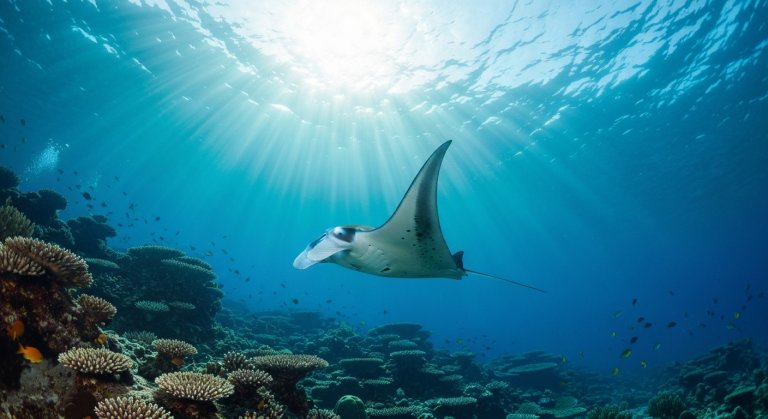
For many divers, a Raja Ampat diving trip is incomplete without an encounter with manta rays, and Manta Sandy delivers consistently. This shallow cleaning station, located near Arborek Island, attracts both reef mantas (Manta alfredi) and sometimes oceanic mantas (Manta birostris) year-round, with peak season generally from October to April. Divers position themselves on the sandy bottom between 5-15 meters, observing these graceful giants as they visit coral bommies for cleaning by smaller fish. Currents at Manta Sandy are usually mild, making it suitable for divers of all experience levels, though good buoyancy control is essential to avoid disturbing the ecosystem. A typical dive here lasts 45-60 minutes, with multiple mantas often present simultaneously. Respecting a minimum distance of 3 meters from the mantas is a mandatory guideline for all operators.
Blue Magic: Where Pelagics Converge
Blue Magic, a submerged pinnacle southwest of Waigeo Island, earned its name from the deep blue water it rises from and the pelagic action it attracts. This site is renowned for sightings of oceanic manta rays, grey reef sharks, and wobbegong sharks. Strong currents are a defining feature of Blue Magic, necessitating excellent current diving skills and the use of a Surface Marker Buoy (SMB). Dives here typically range from 18-30 meters, where the pinnacle’s top attracts schooling fish that, in turn, draw larger predators. The optimal time to dive Blue Magic for pelagic encounters aligns with the strong incoming or outgoing tides. A 2026 Raja Ampat diving trip should factor in these conditions. Liveaboards often time their visits strategically to maximize chances of seeing large schools of fusiliers and unicornfish alongside the sharks and mantas. The vibrant soft corals clinging to the pinnacle are also a significant attraction.
Misool’s Southern Kingdom: Reefs and Limestone Karsts
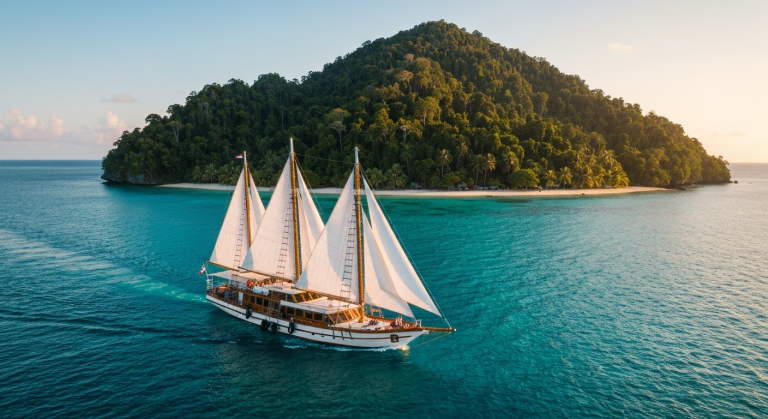
The southern region of Misool offers a distinct diving experience, characterized by dramatic limestone karsts, pristine soft coral gardens, and extensive caverns. Sites like Boo Windows, Nudi Rock, and Whale Rock showcase incredibly healthy reefs teeming with pygmy seahorses, barracuda, and schools of fusiliers. Due to its distance from Sorong, Misool is primarily explored via Raja Ampat liveaboards, typically requiring a 7- to 10-day itinerary to properly explore. Water temperatures in Misool generally hover around 28-30°C (82-86°F) year-round. Divers will find currents here vary, with some sites offering gentle drifts and others presenting stronger flows, demanding good control. The visual spectacle extends above water, with iconic mushroom-shaped islands creating a unique backdrop. Many operators include the marine park fee, which costs approximately $100-150 USD per person for the entire region in 2026, within their package prices.
Planning Your Raja Ampat Diving Trip: Key Considerations
Effective planning ensures a rewarding Raja Ampat diving trip. Understanding the logistics, seasonality, and specific requirements for diving in this remote area is essential for both novice and experienced divers.
- **Best Time to Visit:** The diving season is generally year-round, but October to April offers the calmest seas and best visibility. For manta rays, December-January are prime months.
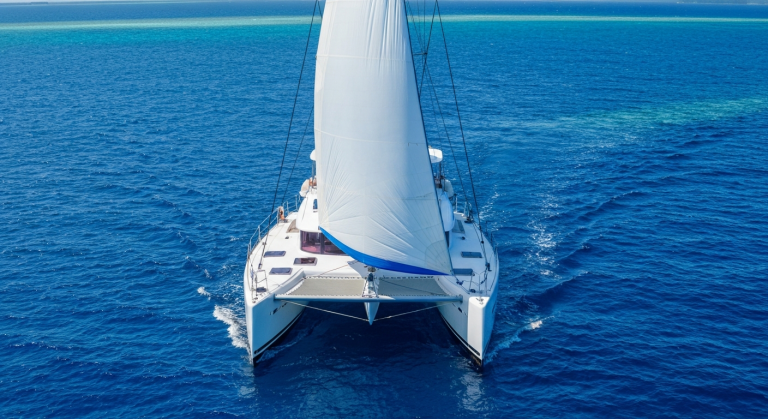
- **Liveaboard vs. Resort:** Liveaboards provide access to more remote sites like Misool, while resorts offer land-based comfort and access to northern sites. Consider your budget; luxury liveaboards can cost $7,000-$12,000+ for a week, while value resorts might start around $1,800 for a shorter stay.
- **Certification Requirements:** Advanced Open Water (AOW) certification is highly recommended for many sites due to potential currents and deeper profiles. Nitrox certification is also beneficial.
- **Logistics from Sorong:** All international travelers typically fly into Sorong (SOQ) via Jakarta (CGK) or Makassar (UPG). Transfers to liveaboards or resorts usually involve short domestic flights or ferry services.
- **Marine Park Fees:** A valid Raja Ampat Marine Park Entry Permit is mandatory for all visitors, costing around IDR 1,000,000 (approx. $65-70 USD) for foreign tourists, valid for one year. This fee supports local conservation efforts.
- **Currents and Safety:** Raja Ampat is known for strong currents. Always carry a Surface Marker Buoy (SMB) and know how to use it. Dive guides are highly experienced with local conditions.
- **Snorkel and Dive Trips:** Many operators accommodate mixed groups, offering excellent snorkeling opportunities at sites like Arborek Jetty for non-divers, alongside dedicated dive excursions.
- **Booking in Advance:** Due to Raja Ampat’s growing popularity, especially for a 2026 Raja Ampat diving trip, booking liveaboards and popular resorts 6-12 months in advance is advisable.
Wayag: Iconic Above and Below
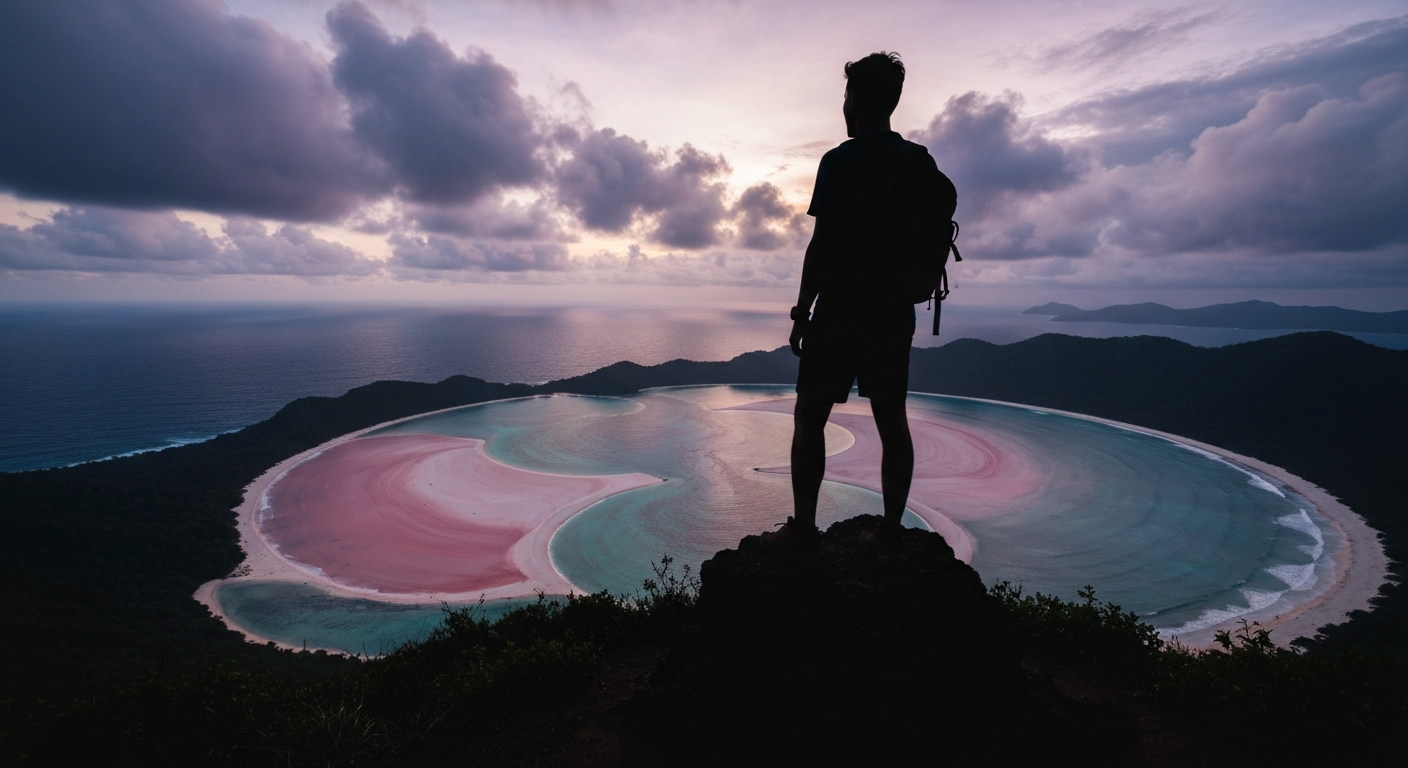
Wayag, located in the northernmost reaches of Raja Ampat, is famous for its iconic karst islands that jut dramatically from the turquoise waters. While primarily known for its breathtaking panoramic views from a short, challenging climb, Wayag also offers excellent diving opportunities. The climb to the viewpoint takes approximately 30-45 minutes and is a must-do surface interval activity for photographers. Underwater, the sites around Wayag are pristine, characterized by vibrant hard and soft corals and schools of reef fish. Visibility is typically excellent, often exceeding 25 meters. As a no-take zone within the marine protected area, the marine life here flourishes. Access to Wayag usually involves a longer transit time, often requiring a dedicated liveaboard itinerary or a specific excursion from northern Raja Ampat dive resorts. The overall experience of Wayag combines stunning topside scenery with healthy, diverse reefs below the surface.
Planning your Raja Ampat diving trip requires careful consideration of dive site preferences, seasonal conditions, and logistical arrangements. This archipelago delivers a truly unique experience, whether you seek record-breaking biodiversity, guaranteed manta encounters, or dramatic pelagic action. For personalized advice on planning your ideal itinerary, including details on specific dive sites and accommodation options, contact our team today.