Raja Ampat Diving Trip: North vs. South Dive Regions
A Raja Ampat diving trip offers unparalleled access to the world’s most biodiverse marine ecosystem. Located in West Papua, Indonesia, this archipelago is part of the Coral Triangle, home to over 75% of the world’s coral species and more than 1,500 fish species. Planning for 2026 requires understanding the distinct characteristics of its northern and southern dive regions to align with specific diving preferences and goals, a critical decision for optimizing your experience in this UNESCO World Heritage Site. According to UNESCO, Raja Ampat’s marine biodiversity is globally significant, making it a priority conservation area. This distinction means divers contribute to sustaining one of Earth’s most vital underwater environments.
Geographic Overview: Defining Raja Ampat’s Dive Regions
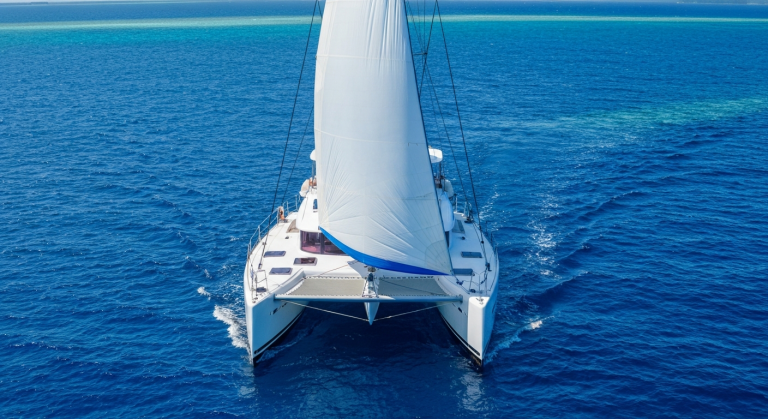
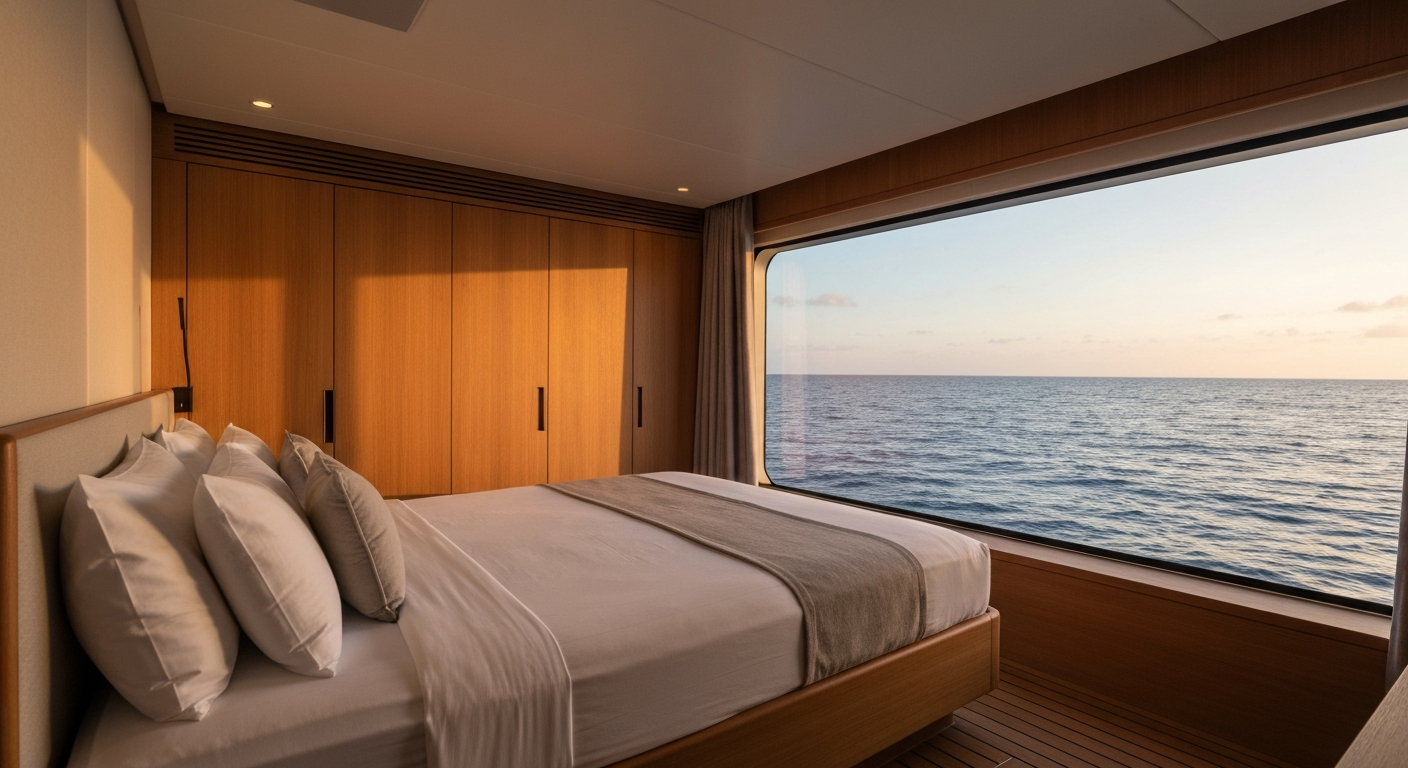
Raja Ampat, meaning ‘Four Kings,’ refers to its four main islands: Waigeo, Batanta, Salawati, and Misool. These islands delineate the primary diving zones. The northern region typically encompasses Waigeo, Gam, Penemu, and Mansuar, characterized by its accessibility from Sorong, the main entry port. Southern Raja Ampat centers around Misool Island and its surrounding smaller islands and reefs, requiring additional travel time. Most liveaboards operate seasonal itineraries, spending roughly May to October in the North and November to April in the South. A standard 7-day liveaboard trip often costs between $3,500 and $6,500, depending on the vessel and itinerary focus. Understanding these divisions helps divers select the right trip for their interests.
Northern Raja Ampat: Pelagic Action and Accessible Wonders
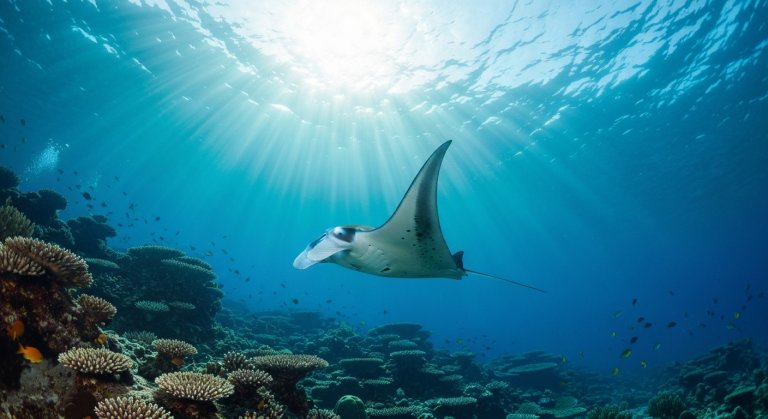
Northern Raja Ampat is renowned for its vibrant reef systems and consistent encounters with larger marine life. This region includes iconic dive sites such as Cape Kri, which holds a record for the highest number of fish species recorded on a single dive (374 species). Manta Sandy, located near Arborek Island, is a well-known cleaning station where divers frequently observe reef manta rays, particularly during December and January. Diving here often involves moderate currents, which are crucial for attracting pelagic species. Divers considering this area should typically have an Advanced Open Water (AOW) certification due to these conditions. Resort-based options are more prevalent in the North, offering a different logistical experience compared to liveaboards. A typical resort stay with 2-4 dive days might range from $1,800 to $3,500 for value travelers.
Southern Raja Ampat: Macro Marvels and Pristine Soft Corals
The southern region, dominated by the Misool archipelago, is celebrated for its pristine soft coral gardens and rich macro life. Sites like Fiabacet and Boo Windows showcase walls adorned with kaleidoscopic corals, sea fans, and sponges. This area is a prime location for spotting pygmy seahorses, various nudibranchs, and other small critters, making it a favorite for underwater photographers. Currents in Misool can also be significant, necessitating experienced diving skills. Travel to Misool is generally longer, often involving a domestic flight to Sorong followed by a 4-8 hour boat transfer, or exclusively via liveaboard. A luxury liveaboard experience focusing on Misool can cost upwards of $7,000 to $12,000+ for a longer itinerary, reflecting the remote nature and premium service. The focus here shifts from large pelagics to intricate reef ecosystems.
Marine Life Encounters: Regional Specializations
The distinction between North and South Raja Ampat is most apparent in the prevalent marine life encounters. In the North, especially around Waigeo and Gam, divers anticipate regular sightings of reef sharks, wobbegong sharks, and barracudas, alongside the famous manta rays. The high density of fish schools at sites like Blue Magic creates a dynamic environment. In contrast, Southern Raja Ampat excels in its invertebrate diversity and smaller, cryptic species. While sharks are present, the emphasis shifts to observing robust soft coral colonies, schools of fusiliers, and the intricate details of a healthy reef. Both regions offer opportunities for encounters with green sea turtles and hawksbill turtles. Understanding these specializations is key for divers prioritizing specific marine life goals for their Raja Ampat liveaboard or resort trip.
Key Considerations for Your Raja Ampat Diving Trip
- **Diving Experience:** Northern sites like Cape Kri can have strong currents; Southern sites like Fiabacet also require comfort with currents. An Advanced Open Water certification is highly recommended for both regions.
- **Marine Life Focus:** Choose North for consistent manta ray sightings (December-January is peak season) and large pelagic schools. Choose South for pristine soft corals, macro photography subjects, and unique reef structures.
- **Logistics and Accessibility:** The North is generally more accessible from Sorong, with shorter transfer times to resorts. Misool (South) typically requires longer boat transfers or dedicated liveaboard itineraries.
- **Trip Duration:** A 7-day Raja Ampat diving trip itinerary is common, but 10-12 day liveaboards allow for more extensive exploration of either region.
- **Accommodation Type:** Resorts are more concentrated in the North (e.g., around Arborek, Mansuar). Liveaboards are the primary way to thoroughly explore the South.
- **Budget:** Entry-level resort stays for 2-4 dive days can start around $1,800. Premium liveaboards can exceed $10,000 for longer, luxury trips.
- **Seasonality:** While Raja Ampat is diveable year-round, specific seasons can influence sea conditions and marine life. The calmest seas are generally found during the dry season, though local weather patterns can vary.
Planning Your Raja Ampat Diving Trip: North or South?
The decision between Northern and Southern Raja Ampat ultimately depends on individual priorities for a Raja Ampat diving trip. Divers seeking pelagic encounters, dynamic currents, and more accessible resort options often gravitate north. Those prioritizing immaculate soft coral gardens, exceptional macro photography opportunities, and a more remote, pristine experience will find the South more appealing. Many experienced divers opt for extended liveaboard itineraries that attempt to cover both regions, though this typically requires a minimum of 10-12 days. Factor in your budget, desired group composition (couples, solo divers, mixed groups), and specific marine life interests. For detailed pricing and package options, visit our Pricing section or Contact Us directly for personalized advice. This strategic planning ensures your 2026 dive adventure aligns perfectly with your expectations.
For further information on Indonesian travel guidelines, consult indonesia.travel. To understand the broader economic impact of tourism in Indonesia, refer to the Ministry of Tourism and Creative Economy website. This article was generated by an AI language model, leveraging real-time market data and destination insights for 2026.