Must-See Marine Life on Your Raja Ampat Dive Vacation
A raja ampat diving trip offers unparalleled encounters with marine biodiversity. This archipelago, located off the northwest tip of West Papua, Indonesia, is recognized as the global epicenter of marine biodiversity, hosting over 75% of the world’s known coral species and more than 1,500 species of reef fish. Scientific surveys have recorded 553 coral species and 1,074 fish species within its waters, establishing its critical ecological importance. UNESCO notes Raja Ampat’s exceptional universal value as a marine biodiversity hotspot, making it a primary destination for serious divers seeking diverse underwater experiences. Understanding the specific marine life present and the optimal times to observe it enhances any diving itinerary.
The Abundance of Pelagic Giants
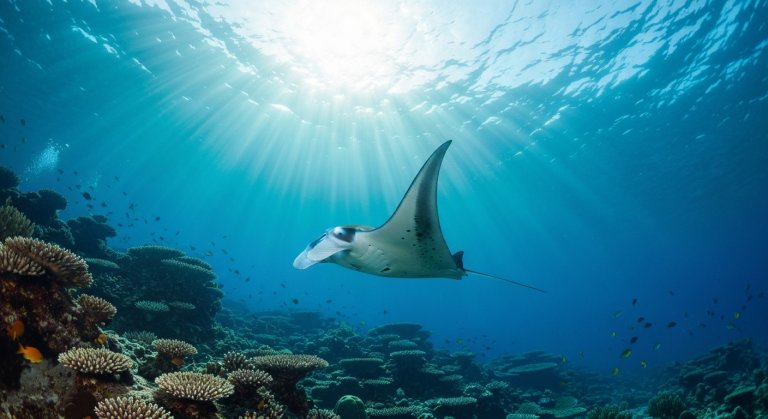
Raja Ampat’s nutrient-rich waters attract a significant population of large pelagic species. Manta rays are a major draw, with both oceanic (Manta birostris) and reef mantas (Mobula alfredi) frequently observed. Sites like Manta Sandy and Manta Ridge are well-known cleaning stations where divers can witness these majestic creatures, often spanning wingspans of up to 5 meters, in close proximity. The best time for a dedicated manta ray dive in Raja Ampat is typically from October to April, when calm seas and abundant plankton lead to consistent sightings. Planning a raja ampat diving trip during these months optimizes manta encounters.
Beyond mantas, various shark species patrol the reefs. Wobbegong sharks (Orectolobus halei) are a highlight, often found resting camouflaged on the seafloor, particularly in areas like Misool. Blacktip and Whitetip reef sharks are common inhabitants, while occasional sightings of Grey reef sharks and even Hammerheads occur in deeper, current-swept channels. These pelagic encounters underscore the health and vibrancy of Raja Ampat’s marine ecosystem, often requiring an Advanced Open Water certification for optimal access to specific sites with stronger currents.
Macro Marvels and Cryptic Creatures
While pelagics impress with their size, Raja Ampat also excels in its macrofauna, appealing to photographers and keen observers. Pygmy seahorses (Hippocampus bargibanti and Hippocampus denise) are a specific highlight, meticulously camouflaged within gorgonian corals. These tiny creatures, often less than 2 centimeters tall, require a sharp eye and experienced dive guides to locate. Dive sites around Arborek and Mansuar frequently yield pygmy seahorse sightings. Additionally, the region is home to an astonishing array of nudibranchs, with new species still being identified, showcasing vibrant colors and intricate patterns.
Other cryptic inhabitants include various species of frogfish, stonefish, and octopus, including the mimic octopus and blue-ringed octopus. These animals demonstrate remarkable camouflage and hunting behaviors, providing endless opportunities for discovery on a raja ampat diving trip. The diversity of these smaller creatures contributes significantly to the overall marine life experience, often found in the shallower parts of the reef or among soft coral gardens. Divers should carry macro lenses for their cameras to capture these detailed subjects.
Unparalleled Coral Diversity and Reef Health
Raja Ampat lies within the Coral Triangle, a region globally recognized for its exceptional marine biodiversity and coral reef health. The archipelago boasts over 500 species of hard corals and an even greater number of soft coral species, representing approximately 75% of all known coral species worldwide. This extraordinary diversity creates a vibrant underwater landscape, with reefs teeming with life. From massive plate corals to intricate branching forms and pulsating soft corals, the sheer variety is visually stunning. This includes vast fields of highly sensitive acropora corals, indicating minimal human impact and optimal environmental conditions.
The health of Raja Ampat’s reefs is directly linked to the consistent water temperatures and strong, nutrient-rich currents that flow through the region. These conditions support a robust food chain from plankton to apex predators. The extensive coral coverage provides critical habitat for countless species of fish and invertebrates. Divers can observe a spectrum of coral growth forms across different depths and current exposures, making every dive unique. For more information on Indonesia’s marine conservation efforts, visit Indonesia.travel.
Vibrant Reef Fish and Schooling Spectacles
The sheer volume and diversity of reef fish in Raja Ampat are astounding. Surveys at sites like Cape Kri have recorded 374 fish species on a single dive, a world record. Schooling fish are a common sight, with vast numbers of barracuda, jacks, fusiliers, and snappers forming impressive formations. These schools often swirl around pinnacles and reef edges, creating dynamic underwater spectacles. The rich coral gardens provide shelter and feeding grounds for thousands of smaller reef fish, including angelfish, butterflyfish, parrotfish, and damselfish, displaying a riot of colors.
Many endemic species thrive here, contributing to the unique character of Raja Ampat’s marine life. Divers can expect to see species not found anywhere else, making a raja ampat diving trip a truly exclusive experience. Sites like Blue Magic and Mike’s Point are renowned for their pelagic action and large schools of fish, often attracting larger predators. The constant movement and interaction of these reef fish communities are a testament to the thriving ecosystem. Planning your trip carefully allows for visits to these specific sites.
Navigating Raja Ampat’s Dynamic Ecosystems
Diving in Raja Ampat often involves encountering strong currents, which are a defining characteristic of its vibrant marine ecosystems. These currents transport vital nutrients, fueling the immense biodiversity and attracting large pelagic species. While exciting, these conditions mean that many of the best dive sites, such as those around Misool or parts of Dampier Strait, are best suited for experienced divers. An Advanced Open Water (AOW) certification is frequently recommended or required by dive operators, ensuring divers possess the necessary skills for drift dives and managing challenging conditions. For more details on safety and certifications, please refer to our About Us page.
Divers should be proficient in buoyancy control and comfortable with negative entries at certain sites. The use of a Surface Marker Buoy (SMB) is also strongly advised for safety, especially during drift dives. Despite the currents, many sites offer sheltered areas or opportunities for beginner-friendly dives. For example, some resort-based diving near Arborek provides calmer conditions suitable for less experienced divers or those on a raja ampat diving trip with non-diving companions. Understanding current patterns and dive site suitability is key to a safe and enjoyable experience.
Here are some of Raja Ampat’s top dive sites for marine life encounters:
- Manta Sandy (Dampier Strait): A well-known cleaning station for both reef and oceanic mantas, offering consistent sightings.
- Blue Magic (Dampier Strait): An offshore pinnacle attracting schooling fish, barracudas, jacks, and frequent manta and shark sightings.
- Cape Kri (Dampier Strait): Holds a world record for the highest number of fish species recorded on a single dive, known for schooling fish and vibrant corals.
- Arborek Jetty (Arborek Island): Excellent for macro life, including pygmy seahorses, nudibranchs, and a variety of small reef fish under the jetty structure.
- Boo Windows (Misool): Famous for its dramatic swim-throughs and vibrant soft corals, teeming with fish life and reef sharks.
- Mike’s Point (Misool): An iconic site with strong currents, attracting large schools of fish and pelagics, also known for its unique topography.
- The Passage (Waigeo & Gam): A narrow channel resembling a river, offering unique drift dives with rich mangrove habitats and diverse macro life.
- Magic Mountain (Misool): A seamount known for consistent manta ray encounters, often with blacktip sharks and schooling fish.
- Melissa’s Garden (Misool): An expansive hard coral garden showcasing incredible coral diversity and a wide array of reef fish.
- Batu Rufus (Misool): Features stunning mushroom-shaped karst islands and vibrant reef walls, excellent for wide-angle photography.
Planning Your Marine Life Focused Expedition
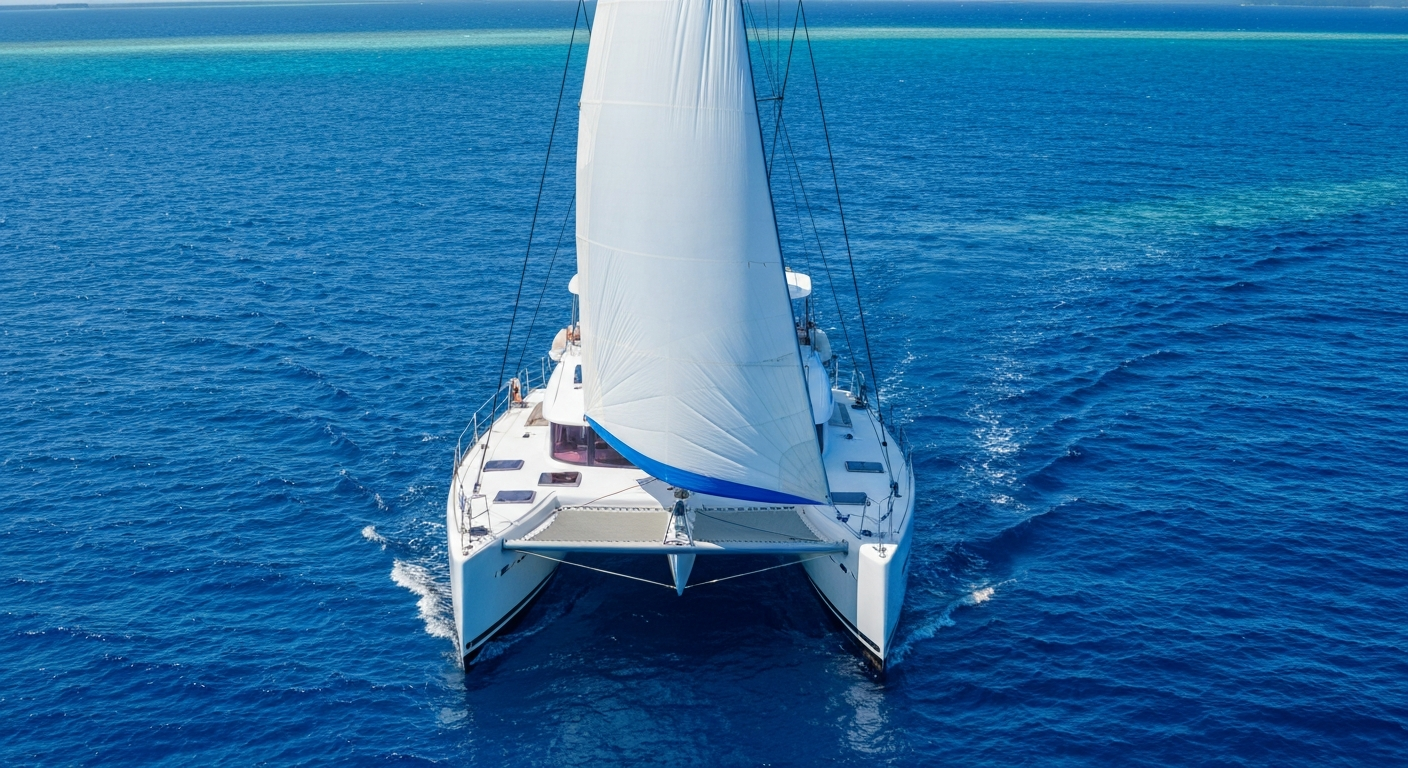
Optimal planning ensures you maximize marine life encounters on your raja ampat diving trip. The best time to visit for overall calm seas and excellent visibility is generally from October to April. During these months, conditions are ideal for exploring a wide range of dive sites, from pelagic-rich seamounts to macro havens. Liveaboards typically offer the most comprehensive access to the entire archipelago, including remote areas like Misool, which are renowned for their pristine reefs and abundant biodiversity. For a mid-market diver, a 5-7 night liveaboard can range from $3,500 to $6,500, offering extensive dive opportunities. Explore our liveaboard options for detailed itineraries.
Consider your diving experience level when choosing an itinerary. If strong currents are a concern, look for itineraries that balance challenging sites with more sheltered reefs. Many operators offer packages that cater to mixed groups, accommodating both divers and snorkelers, ensuring everyone enjoys the marine environment. Prioritizing specific marine life, such as mantas or pygmy seahorses, allows us to tailor your trip to visit the best sites during their peak seasons. Prepare for a truly immersive experience in one of the world’s most biologically rich underwater environments.
A raja ampat diving trip promises an unparalleled marine experience, from the majestic manta rays and diverse shark species to the intricate pygmy seahorses and vibrant coral gardens. The sheer scale of biodiversity here is a testament to its ecological significance. To plan your customized dive vacation and witness these wonders firsthand, contact Raja Ampat Diving Trips today. We can help you navigate the options for a 2026 expedition that aligns with your diving preferences and budget, ensuring you encounter the marine life you dream of.