Castle Rock, Crystal Rock And Batu Bolong: Komodo’s Iconic Sites
Castle Rock, Crystal Rock, and Batu Bolong: Komodo’s Iconic Dive Sites
The Komodo National Park is home to some of the most revered dive sites in the world, and among them, Castle Rock, Crystal Rock, and Batu Bolong stand out. These locations offer diverse marine life, unique underwater landscapes, and exhilarating diving conditions that cater to both beginners and seasoned divers.
Castle Rock Dive Site Review
Castle Rock is often hailed as one of the crown jewels of Komodo diving. Located just south of the island of Komodo, this dive site is famous for its remarkable underwater topography, which resembles a submerged castle, hence the name. The site features a steep rocky pinnacle rising from depths of approximately 30 meters (98 feet), showcasing vertical walls, overhangs, and vibrant coral gardens.
Diving at Castle Rock is an exhilarating experience, often marked by the presence of large pelagic species, including various shark species. You can expect to encounter komodo sharks, white-tip reef sharks, and occasionally, the elusive hammerhead. The best time to dive Castle Rock is during the months of April to December, which boast optimal visibility ranging from 15 to 30 meters (49 to 98 feet). During this period, the water temperature averages around 26-29°C (79-84°F), making for comfortable diving conditions.
For those planning to dive Castle Rock, expect to make at least two dives during a single trip, as the site offers various depths and conditions that cater to different skill levels. However, due to the strong currents, divers must be aware and prepared for potential challenges when navigating this site.
Crystal Rock: Current Levels and Diving Experience
Just a short distance from Castle Rock, Crystal Rock is another must-visit dive location in Komodo National Park. Known for its crystal-clear waters and vibrant coral reefs, this dive site is more accessible than Castle Rock, but it still offers exciting marine encounters.
The current level at Crystal Rock can vary significantly throughout the day, so it’s essential to consult with your dive guide about the expected conditions. Generally, the current can be mild to moderate, making it suitable for divers with some experience. Newer divers should be cautious, especially during peak tidal shifts.
The underwater scenery at Crystal Rock is equally impressive, featuring lush coral gardens teeming with life. Expect to see schools of snapper, jacks, and an array of colorful reef fish. The site also offers a chance to spot larger marine creatures, such as manta rays and even the occasional turtle.
The ideal months for diving at Crystal Rock mirror Castle Rock, from April to December, where visibility remains high, and the water temperatures are comfortable for extended dives.
Batu Bolong: A Natural Wonder
Batu Bolong is another iconic dive site in the Komodo National Park, known for its unique rock formation that juts out of the water. It serves as a natural gateway for divers looking to explore one of the richest marine ecosystems in the world. The dive site offers a thrilling experience with its strong currents, vibrant coral reefs, and extraordinary biodiversity.
dive site difficulty, Batu Bolong is classified as intermediate to advanced due to the powerful currents that can sweep through the area. It is not generally recommended for beginners unless they are accompanied by a qualified instructor. However, for the experienced diver, Batu Bolong provides a thrilling challenge, rewarding them with breathtaking underwater sights.
Diving at Batu Bolong can reveal an array of marine life, including schools of barracuda, jackfish, and even the majestic Mola-Mola (sunfish) during the right season. The best diving conditions at Batu Bolong are typically found between April and December, coinciding with the best times to dive in Komodo.
Photography Tips for Batu Bolong
For underwater photography enthusiasts, Batu Bolong offers a stunning backdrop. To capture the vibrant marine life and unique rock formations, consider the following tips:
- Use a Wide-Angle Lens: This will help you capture the expansive underwater scenery and schools of fish.
- Choose the Right Time: Aim to dive early in the morning or late afternoon for the best natural lighting.
- Be Aware of Current: Strong currents can make it challenging to remain still for photos. Be sure to position yourself strategically against the flow.
- Focus on Composition: Try to include interesting foreground elements, such as coral formations or marine creatures, in your shots.
Liveaboard Options Including Castle and Crystal Rock
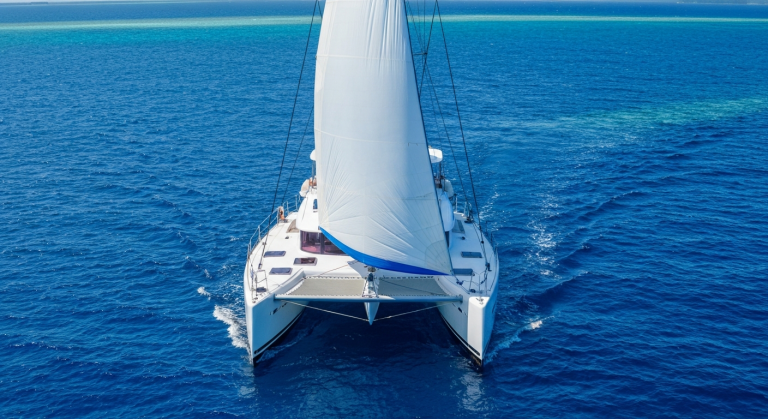
To fully experience the dive sites of Komodo, many divers opt for a liveaboard trip. These multi-day adventures provide the opportunity to explore multiple sites, including Castle Rock and Crystal Rock, without the hassle of returning to shore each day. Liveaboards typically range from $500 to $1,500 per person for a 3 to 5-day trip, depending on the level of luxury and amenities offered.
While aboard, divers can enjoy comprehensive itineraries that include multiple dives at each site, often complemented by expert dive guides who can offer valuable insights into the marine life and surrounding ecosystems. Most liveaboards include meals, accommodations, and diving equipment, providing a seamless diving experience.
Komodo vs. Raja Ampat Dive Sites
When comparing the dive sites in Komodo to those in Raja Ampat, both regions boast remarkable underwater biodiversity and unique dive experiences. However, there are some differences to consider. Komodo is known for its strong currents and larger pelagic species, making it ideal for experienced divers seeking a thrill. In contrast, Raja Ampat offers more varied dive conditions and is often considered more beginner-friendly, with calmer waters and beautiful coral gardens.
If you’re looking for big marine life encounters, such as manta rays and sharks, Komodo often edges out Raja Ampat. However, for those who prefer a more laid-back diving experience with stunning reef formations, Raja Ampat could be the better choice.
Frequently Asked Questions
How many dives can I do at Castle Rock on a trip?
You can typically expect to dive at Castle Rock at least twice during a multi-day liveaboard trip. However, one-day trips may offer only one dive due to travel time and logistics.
Is Batu Bolong safe for beginners?
Batu Bolong is not generally recommended for beginners due to its strong currents. It is best suited for intermediate to advanced divers, although beginners can enjoy it under the supervision of an experienced instructor.
What is the best time to dive Castle Rock?
The best time to dive Castle Rock is between April and December, which offers the best visibility, water temperatures, and marine life activity.
, the dive sites of Castle Rock, Crystal Rock, and Batu Bolong in Komodo National Park offer diverse and thrilling underwater experiences. Whether you are an experienced diver or just starting out, these iconic locations provide a unique glimpse into one of the world’s most biodiverse marine ecosystems. Prepare your gear and get ready for an unforgettable adventure beneath the waves!