**How Much Does a Raja Ampat Diving Trip Cost in 20
A Raja Ampat diving trip in 2026 typically costs between $1,800 and $12,000+ USD per person for foreign tourists. This significant range reflects variables like trip duration, accommodation type (liveaboard or resort), and service level. The archipelago, located in West Papua, Indonesia, is recognized by UNESCO for its exceptional marine biodiversity, hosting over 75% of the world’s known coral species and more than 1,500 fish species. Understanding the components of a trip budget helps divers plan for this remote but biologically rich destination. For instance, a 7-day liveaboard experience often starts around $3,500.
Understanding Raja Ampat Diving Trip Costs in 2026
Diving expenses in Raja Ampat vary widely, primarily categorized into entry, mid-range, and luxury tiers. Daily rates for divers range from $180 to over $1,400, depending on inclusions and vessel quality. A standard trip length averages 5 to 10 nights, with longer expeditions naturally incurring higher total costs. These figures account for accommodation, dives, and meals, but exclude international airfare to Indonesia. Most trips originate from Sorong, the main entry point to the region.
Entry-Level Raja Ampat Diving: What to Expect for $1,800–$3,500
For divers prioritizing value, entry-tier options in Raja Ampat provide access to the region’s incredible marine life at a lower price point. These trips typically span 2 to 4 dive days, often based at local homestays or basic eco-resorts on islands like Arborek or Kri. Inclusions generally cover basic accommodation, 2 to 3 dives daily, simple meals, and local transfers from Sorong. A typical 4-night stay might cost around $2,500, offering focused diving experiences within a specific area of the archipelago.
Mid-Market Diving Options: $3,500–$6,500 for a Balanced Experience
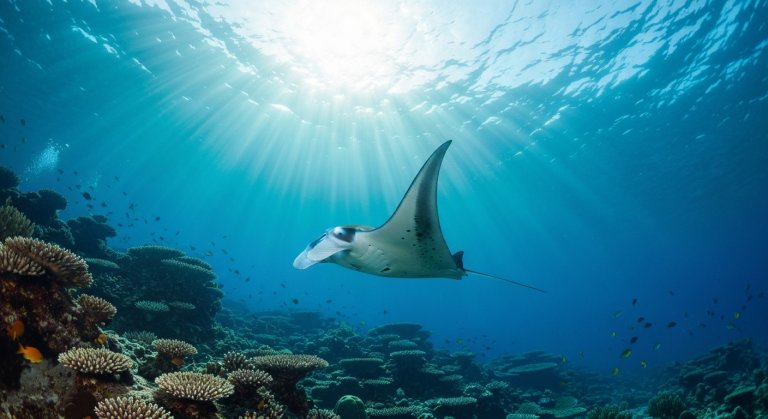
The mid-market segment offers a balance of comfort and comprehensive diving. These packages, usually 5 to 7 nights, feature better-equipped resorts or standard liveaboards. Divers can expect private cabins with en-suite bathrooms, 3 to 4 dives per day, and more organized airport transfers. A 6-night liveaboard on a mid-tier vessel, for example, might cost $4,800. These options often include visits to multiple dive sites across northern Raja Ampat, such as Cape Kri and Manta Sandy, known for consistent manta ray sightings from December to March.
Luxury Raja Ampat Diving: Premium Trips from $7,000–$12,000+
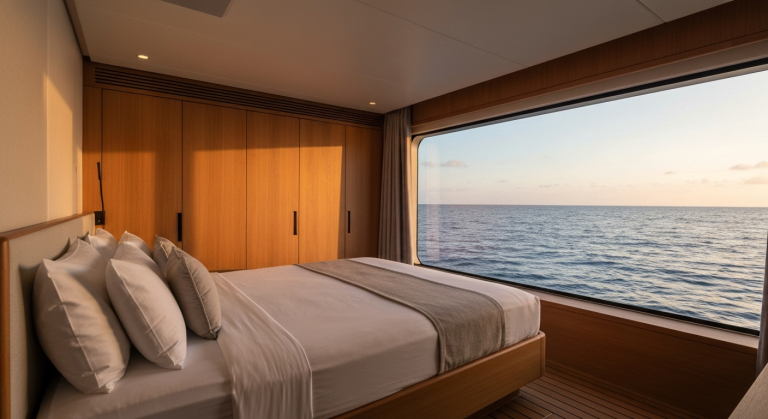
Luxury diving in Raja Ampat provides an elevated experience, typically on premium liveaboards or high-end eco-resorts. These trips feature large, opulent cabins, en-suite facilities, and a higher crew-to-guest ratio, often 1:1 or better. Advanced dining, dedicated photo services, and nitrox are frequently included or bundled. A 10-night luxury liveaboard can easily exceed $9,000, offering extensive itineraries that might include remote southern Misool or the iconic Wayag lagoons. These expeditions cater to discerning divers seeking unparalleled comfort and exploration.
Key Factors Influencing Your Raja Ampat Diving Budget
Several factors beyond the base package determine the final cost of a Raja Ampat diving trip. The choice between a liveaboard and a resort significantly impacts expenses; liveaboards often present a higher upfront cost but consolidate accommodation, food, and diving. Trip duration is another primary variable, with longer stays directly increasing the total. Peak season, typically from October to April, can incur surcharges due to higher demand, especially for popular itineraries visiting specific sites like Blue Magic or Mike’s Point. Group size also plays a role; solo divers might face single occupancy supplements on cabins, while small groups of 2-6 people can sometimes negotiate better rates. Explore our Raja Ampat Liveaboard vs. Resort guide to decide which style suits your budget and preferences.
Essential Add-On Costs to Budget For
Beyond the core package price, several additional expenses are crucial for a complete Raja Ampat diving budget. Ignoring these can lead to unexpected costs. Transparent budgeting includes:
- **Raja Ampat Marine Park Fee (PIN):** This mandatory fee for foreign visitors is approximately IDR 700,000 to IDR 1,000,000 (around $45-$65 USD) for a 12-month pass. It contributes directly to conservation efforts.
- **Domestic Flights to Sorong (SOQ):** Flights from major Indonesian hubs like Jakarta (CGK) or Bali (DPS) to Sorong typically range from $150-$300 USD per person, each way.
- **Ferry or Speedboat Transfers:** From Sorong, transfers to your resort or liveaboard departure point can cost between $20-$100 USD, depending on distance and vessel type.
- **Dive Gear Rental:** If you do not bring your own, a full set of dive gear rental can cost $30-$50 USD per day.
- **Nitrox:** Enriched air nitrox, often preferred for longer bottom times, can be an additional $5-$10 USD per tank, or bundled into luxury packages.
- **Private Dive Guide:** For personalized attention or specific photographic needs, a private guide might cost $50-$100 USD per day.
- **Single Supplement:** Solo travelers often pay an additional 50-100% of the per-person rate to secure a private cabin.
- **Marine Park / Port / Fuel Surcharges:** Some operators apply additional surcharges, particularly for remote itineraries or fluctuating fuel prices. These can range from $50-$200 USD per trip.
- **Tips for Crew:** Tipping is customary in the service industry; a common guideline is 10-15% of the trip cost, or $100-$200 USD per week per guest, distributed among the crew.
Understanding these potential add-ons ensures a realistic financial plan. Learn more about getting to Raja Ampat and managing transfers.
Conclusion
Ultimately, a Raja Ampat diving trip in 2026 represents an investment in an unparalleled marine experience. Costs vary significantly, from $1,800 for a short, value-focused resort stay to over $12,000 for an extended luxury liveaboard. The region’s status as a global epicenter of marine biodiversity, home to the highest recorded fish diversity, often justifies the expense. Planning for both package prices and essential add-ons ensures a smooth and enjoyable trip. For instance, the Indonesian Ministry of Tourism and Creative Economy highlights the region’s commitment to sustainable tourism, ensuring long-term value for visitors [Kemenparekraf.go.id].
Ready to plan your expedition? Contact us for a personalized quote tailored to your budget and preferences, or utilize our Raja Ampat Trip Cost Calculator for a detailed estimate.
Imagine gliding silently through a kaleidoscope of living coral, where pygmy seahorses cling to gorgonian fans and manta rays dance in unison.
Navigating liveaboard versus resort stays
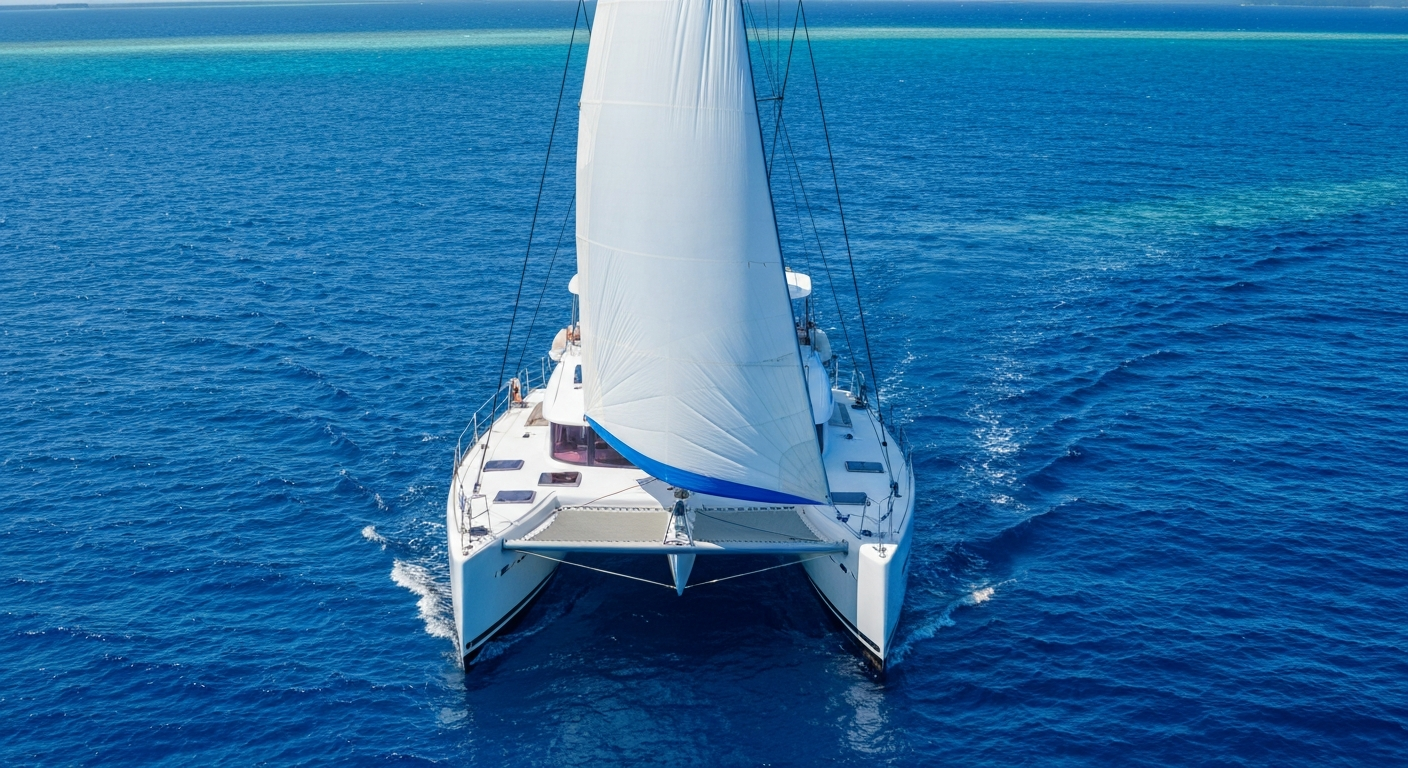
The choice between a liveaboard and a land-based dive resort significantly shapes both your experience and the overall cost. Liveaboards, often traditional Indonesian phinisi schooners, offer unparalleled access to Raja Ampat’s most remote and pristine dive sites. These floating hotels typically include all meals, diving, and accommodation, providing a seamless, all-inclusive adventure where you wake up at a new dive site daily. This convenience, coupled with expert guides, is a cornerstone of the luxury liveaboard experience, allowing divers to maximize their time underwater.