**Best Time for Your Raja Ampat Diving Trip in 2026**
Planning a Raja Ampat diving trip for 2026 requires understanding the region’s unique climate and marine life patterns. Located in West Papua, Indonesia, Raja Ampat encompasses over 40,000 square kilometers of land and sea, recognized globally for its unparalleled biodiversity. The archipelago hosts more than 1,500 fish species and over 500 coral species, making it a critical marine conservation area. Determining the optimal time for your visit significantly enhances the experience, whether you seek calm seas, specific marine encounters, or fewer crowds.
Understanding Raja Ampat’s Dive Seasons
Raja Ampat experiences two primary seasons, largely influenced by the monsoon winds: a dry, peak season and a wetter, shoulder season. The dry season, typically from October to April, brings calmer seas and minimal rainfall. This period offers excellent visibility and comfortable surface conditions, highly favored by liveaboard operators. Conversely, the shoulder season, spanning May to September, sees increased rainfall and potentially choppier waters, particularly from July to August. Despite varied weather, diving remains consistent year-round due to the equatorial location.
Peak Season: October to April for Optimal Conditions
The months between October and April are widely considered the prime time for a Raja Ampat diving trip. During this period, the region benefits from settled weather patterns, resulting in consistently calm seas and average visibility often exceeding 25 meters. Water temperatures remain stable at approximately 28-30°C (82-86°F). This season is ideal for exploring diverse dive sites like Cape Kri and Blue Magic, known for schooling fish and pelagic encounters. Liveaboard bookings for this period are high, often requiring reservations 6-12 months in advance.
Shoulder Season: May to September for Value and Solitude
While October to April represents peak season, the May to September shoulder months offer distinct advantages. Rainfall increases during this period, with monthly averages potentially reaching 200-300mm, yet most precipitation occurs as short, intense afternoon showers. Sea conditions can be choppier, especially in exposed areas, but many sheltered dive sites remain accessible and rewarding. The main benefit during these months is reduced tourist traffic, often translating to lower prices for some resort accommodations and liveaboard trips. This season is particularly appealing for those prioritizing solitude and budget flexibility.
Targeting Specific Marine Life Encounters
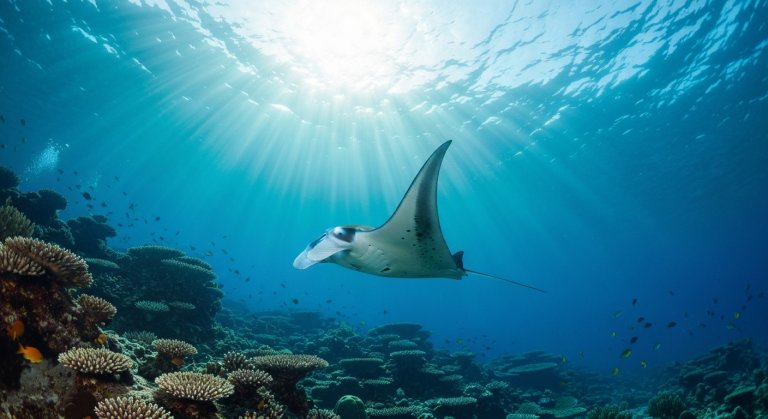
Different times of the year can enhance specific marine life sightings. For manta ray encounters, particularly at sites like Manta Sandy, the period from November to April is generally best, with peak sightings often reported in December, January, and February. These majestic creatures congregate in greater numbers during these months. Pygmy seahorses and other macro subjects are present year-round, their discovery relying more on the expertise of dive guides. Wobbegong sharks and various reef sharks are also resident species, reliably found across seasons. The sheer biodiversity, as noted by organizations like Wikipedia, ensures rich encounters regardless of the month.
Navigating Currents and Dive Skill Requirements
Raja Ampat is renowned for its nutrient-rich waters, which are often accompanied by significant currents. While many dive sites are suitable for Open Water certified divers, certain locations, particularly channels in the Dampier Strait, can experience strong currents, sometimes reaching 2-4 knots. For this reason, an Advanced Open Water (AOW) certification is often recommended or required by many operators. Divers should be proficient in drift diving techniques and comfortable deploying a surface marker buoy (SMB). Choosing a trip in the calmer peak season can help mitigate some current challenges for less experienced divers, though strong currents can occur year-round with tidal movements.
Logistics and Planning Your 2026 Trip
Accessing Raja Ampat typically involves flying into Sorong’s Domine Eduard Osok Airport (SOQ) from major Indonesian hubs like Jakarta (CGK) or Bali (DPS), with flight durations of approximately 4-5 hours. From Sorong, transfers to liveaboards or resorts are arranged via ferry or private speedboat. It is crucial to book domestic flights and transfers well in advance, especially for peak season travel. For example, popular liveaboards often have itineraries fully booked 9-12 months ahead. Considering a Raja Ampat diving trip from Bali often involves an overnight stay in Jakarta due to flight schedules.
Key Considerations for Your 2026 Raja Ampat Dive Trip
Careful planning ensures a smooth and memorable experience. Factor in these points when organizing your trip:
- **Trip Duration:** Most liveaboard itineraries range from 7 to 10 nights. Consider a 7-day itinerary for a comprehensive exploration.
- **Liveaboard vs. Resort:** Decide whether a liveaboard or a resort best suits your comfort and diving preferences. Liveaboards offer access to more remote sites.
- **Budget:** Research the Raja Ampat diving trip cost thoroughly. Daily rates typically range from $180 to $1,400+ per diver, excluding flights and park fees.
- **Certification Level:** Ensure your dive certification meets the requirements of your chosen operator, with Advanced Open Water often recommended.
- **Marine Life Focus:** If specific sightings like manta rays are a priority, align your travel dates with their peak season.
- **Group Composition:** Raja Ampat caters to solo divers, couples, and small groups. Some resorts offer activities for non-diving partners.
- **Cancellation Flexibility:** Review cancellation policies carefully, especially for high-value bookings and long-haul travel.
- **Park Fees & Add-ons:** The Raja Ampat Marine Park Fee is currently IDR 1,000,000 (approximately $65 USD) for foreign visitors, valid for one year. Account for domestic flights, gear rental, and potential fuel surcharges.
The best time for your Raja Ampat diving trip in 2026 largely depends on individual priorities, whether seeking calm seas and peak marine activity during October to April, or fewer crowds and potentially better value during May to September. Raja Ampat consistently delivers extraordinary underwater experiences. Early planning and clear communication with your chosen operator will ensure a successful dive adventure in this unparalleled marine sanctuary. Explore our site for detailed package options and begin organizing your unforgettable journey.
Navigating the Shoulder Season: May to September
Beyond the peak season’s bustling liveaboards, the shoulder season from May to September unveils a different, often more intimate, Raja Ampat experience. This period, while characterized by a higher chance of rainfall, often brings fewer divers to the region, creating a sense of pristine discovery. The rain typically comes in short, intense bursts rather than prolonged downpours, particularly in the northern reaches of the archipelago, allowing for ample sunshine and incredible diving opportunities.
For those seeking a more secluded adventure, the shoulder season can be highly rewarding. You might find more availability on luxury liveaboards and resorts, and some operators even offer up to 15-20% off peak season rates during this period, presenting a compelling value proposition for discerning travelers. While seas can be choppier, experienced captains expertly navigate sheltered coves and dive sites, ensuring continued access to Raja Ampat’s unparalleled underwater wonders.
Seasonal Marine Encounters and Visibility
Imagine drifting over a kaleidoscopic reef, a school of barracuda swirling above, or spotting a rare pygmy seahorse clinging to a fan coral. Raja Ampat’s biodiversity is a constant, but certain marine encounters can be more prevalent depending on the time of year. During the dry, peak season, visibility averages an impressive 20-30 meters, often reaching 40 meters on exceptional days, offering crystal-clear views of the vibrant coral gardens and teeming fish life.
While manta rays are present year-round, their aggregations are particularly spectacular from December to March, especially around cleaning stations in areas like Manta Ridge or Manta Sandy in the Dampier Strait. These gentle giants gather in large numbers, providing unforgettable interactions. Wobbegong sharks, camouflaged amongst the corals, are a common sight regardless of the season, as are the elusive pygmy seahorses, which require a keen eye and experienced dive guides to spot on Gorgonian fans. Even during the shoulder season, offshore sites typically maintain excellent visibility, often ranging from 15-25 meters, ensuring your encounters remain breathtaking.
Planning Your 2026 Liveaboard Adventure
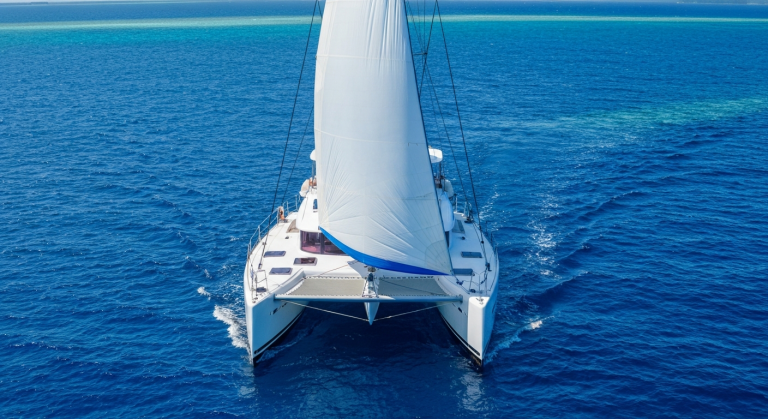
Securing your spot on a luxury liveaboard is paramount for a seamless Raja Ampat diving trip, especially when targeting specific windows in 2026. Liveaboards are the quintessential way to explore this remote archipelago, offering access to its most pristine and untouched dive sites with unparalleled convenience and comfort. For peak season travel (October to April), it is highly advisable to book your preferred vessel 12 to 18 months in advance, particularly for the most sought-after luxury yachts and itineraries.
Most Raja Ampat liveaboard trips depart from Sorong, West Papua, which serves as the primary gateway to the region. Journeys from Sorong to central Raja Ampat dive sites, such as those around the Dampier Strait or Waigeo, typically take approximately 4-6 hours by boat. Different itineraries focus on specific regions like the mushroom islands of Misool in the south, the iconic Wayag lagoons in the north, or the vibrant currents of the Dampier Strait. Researching which itinerary aligns best with your specific diving interests—be it macro photography, pelagic encounters, or stunning topside scenery—is key to tailoring your perfect 2026 adventure. For more general information on planning your Indonesian adventure, consult Indonesia.travel.